Introduction
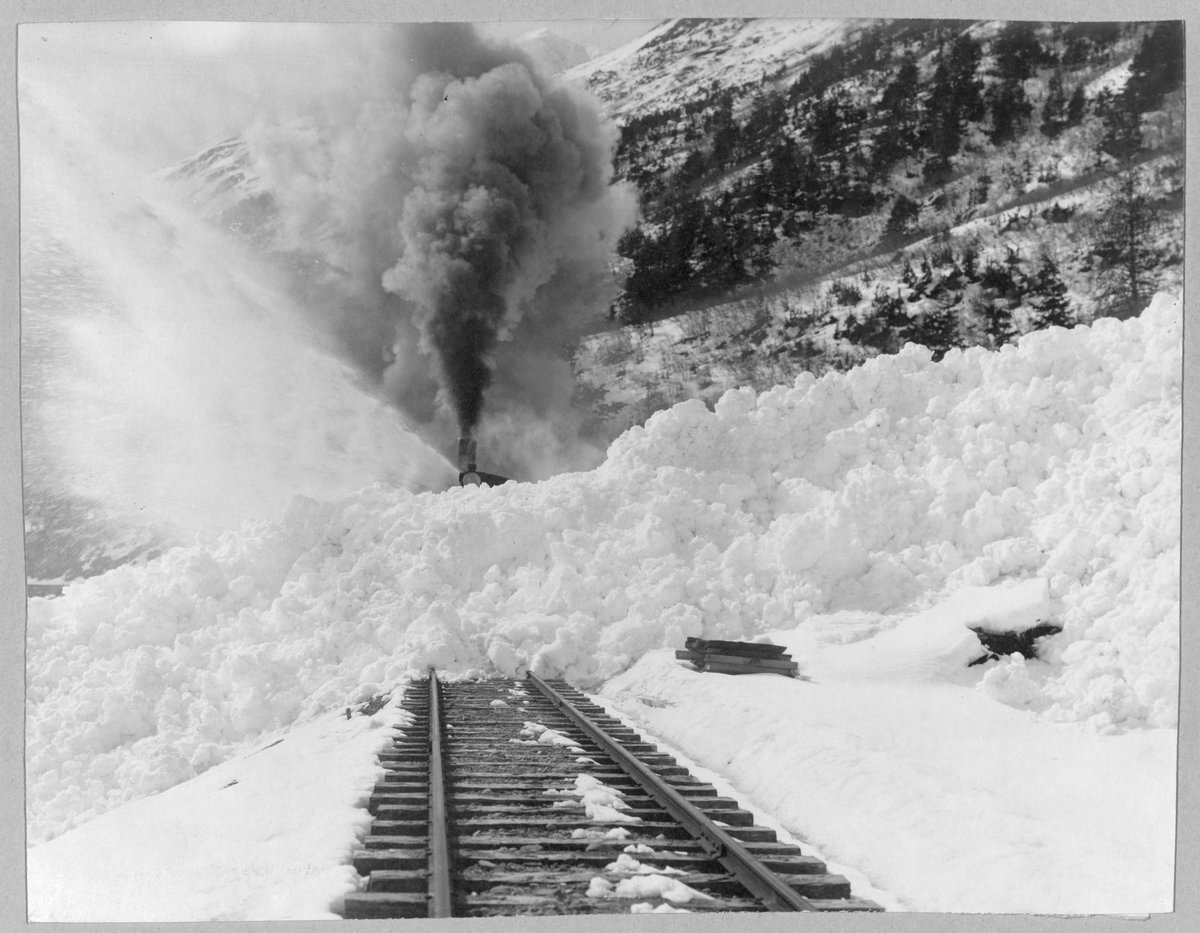
On October 7, 2023, an avalanche struck a railway track near the Swiss village of Andermatt, causing significant disruption to train services in the region. The event has raised pressing concerns regarding the safety of railway transport in mountainous areas, particularly during winter seasons when avalanches are more frequent. Understanding this incident is crucial for both local authorities and commuters, as it may influence future safety protocols and emergency response strategies.
Details of the Incident
According to local reports, the avalanche occurred around mid-morning when a train travelling from Lucerne to Milan was approaching the affected area. Thankfully, the train was travelling at a controlled speed, and the driver was able to halt safely a few hundred metres from the avalanche zone. No injuries were reported among passengers or crew members. Emergency services swiftly responded to the scene to assess the situation and clear the tracks.
The avalanche was triggered by a combination of recent heavy snowfall and unstable weather conditions in the region. Meteorologists had already issued warnings concerning avalanche risks, prompting local authorities to implement precautionary measures for train operations.
Response and Safety Measures
In response to the incident, Swiss Federal Railways (SBB) suspended several train services in and out of the Andermatt region while conducting thorough inspections of the railway infrastructure. Engineers and avalanche experts have since been deployed to evaluate the tracks and surrounding mountainside to prevent future occurrences. The railway operator has reassured the public that safety remains their highest priority and they are taking every necessary step to enhance precautionary measures.
Conclusion
The Swiss train avalanche incident serves as a stark reminder of the challenges posed by natural disasters in mountainous regions. With climate change potentially increasing the frequency and intensity of such events, the need for robust safety protocols and comprehensive emergency response plans has never been more critical. As authorities continue to monitor weather patterns and geological stability, commuters are advised to stay informed about travel advisories. The significance of this event may have far-reaching implications for rail transport safety and infrastructure investments in Switzerland’s picturesque but precarious landscapes.