Introduction
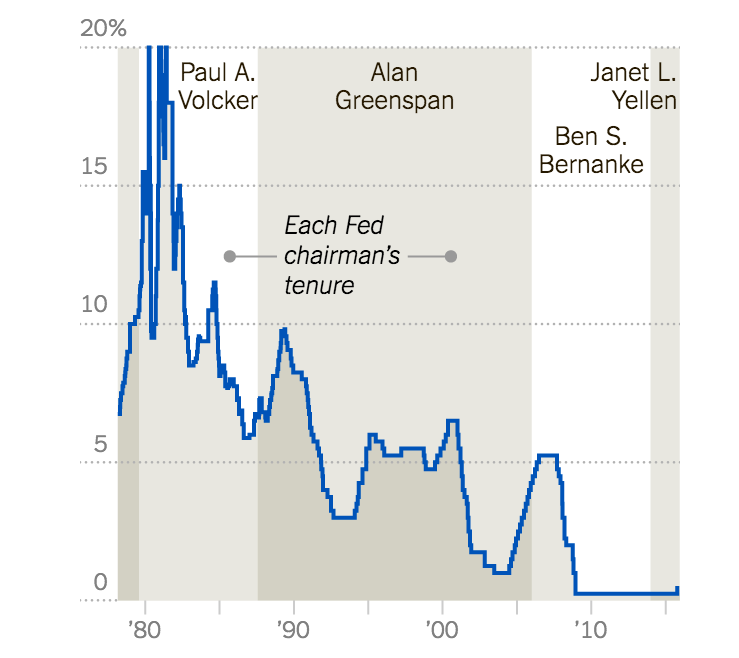
The Federal Reserve’s decisions on interest rates play a pivotal role in the US economy, influencing consumer spending, investment, and inflation. As the central bank of the United States, the Fed’s monetary policies are closely monitored by economists, businesses, and the public. Recent developments regarding interest rates have raised questions about the economy’s recovery post-pandemic and the implications for inflation and employment.
Recent Events
As of October 2023, the Federal Reserve held its most recent meeting on September 20, where officials decided to keep the federal funds rate between 5.25% and 5.50%. This marked a period of sustained interest rates aimed at controlling persistent inflation, which has remained above the Fed’s target rate of 2%. Concerns arose after inflation reached a peak of 9.1% in June 2022, prompting aggressive rate hikes. However, recent economic data indicated signs of easing inflation, as consumer prices rose 3.7% over the past year by September 2023.
Fed Chair Jerome Powell underscored the importance of monitoring inflation trends closely and hinted at the possibility of future adjustments if necessary. Market analysts speculate that while the Fed may pause further increases in the immediate future, there might be room for slight reductions in interest rates by mid-2024 if economic conditions permit. This would be contingent upon a stable inflation trajectory and continued labour market strength.
Impact on the Economy
Interest rates directly affect borrowing costs for consumers and businesses. Higher rates typically lead to increased mortgage rates, car loans, and credit card interest, which can dampen consumer spending. Conversely, lower rates often stimulate economic growth as borrowing costs decrease, allowing consumers to spend and invest more. Therefore, policy decisions made by the Fed can have significant ripple effects throughout the economy.
Moreover, industries such as real estate, automotive, and retail are particularly sensitive to these changes. Real estate remains a critical focus, with high mortgage rates cooling demand for housing. The Fed’s strategy is closely aligned with its dual mandate of promoting maximum employment and maintaining stable prices.
Conclusion
In summary, the Federal Reserve’s stance on interest rates is a crucial element in shaping the economic landscape of the United States. While the decision to maintain current rates reflects a cautious approach, many will be watching closely for signs of change. As inflation pressures ease and the labour market remains resilient, the potential for lower interest rates looms on the horizon. Stakeholders across various sectors will need to prepare for fluctuations in the Fed’s policies, as even slight adjustments can lead to significant economic shifts. As we move forward, the ongoing dialogue surrounding interest rates will remain a focal point in understanding financial strategies and economic health.