What is an Indian Summer?
The term ‘Indian summer’ refers to a period of unseasonably warm and dry weather that often occurs in late autumn. In the UK, this phenomenon typically takes place from late September to early November, when the weather can unexpectedly warm up after a cold spell. This occurrence is significant as it has implications for agriculture, tourism, and outdoor activities.
Recent Trends in UK Weather
In recent years, the UK has experienced several instances of Indian summers, with notable warm spells recorded in 2021 and 2022. According to the Met Office, exceptionally warm days can lead to temperatures exceeding 20 degrees Celsius (68 degrees Fahrenheit) during late October, which is unusual for this time of year. This rise in temperature can be attributed to a combination of atmospheric conditions including high-pressure systems that prevent cold air from displacing warmer fronts.
Impacts of Indian Summer Weather
The implications of an Indian summer on daily life and the environment can be profound. For farmers, extended warm weather may be beneficial for late-season crops, allowing for increased yields. However, it can also create challenges for crop harvesting and pest management. On the other hand, the tourism industry stands to benefit from an Indian summer, with increased visitor numbers to attractions and outdoor events as people take advantage of the mild weather.
What to Expect This Year
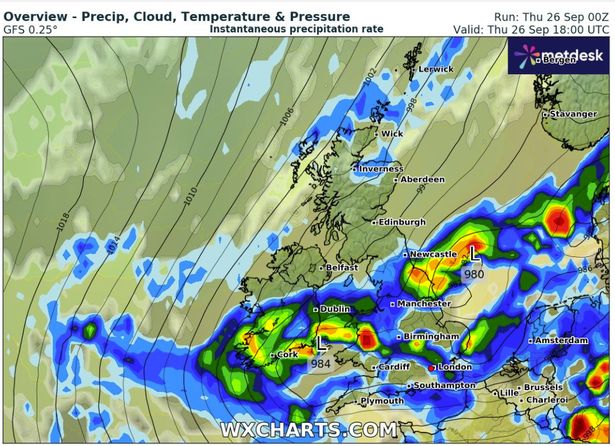
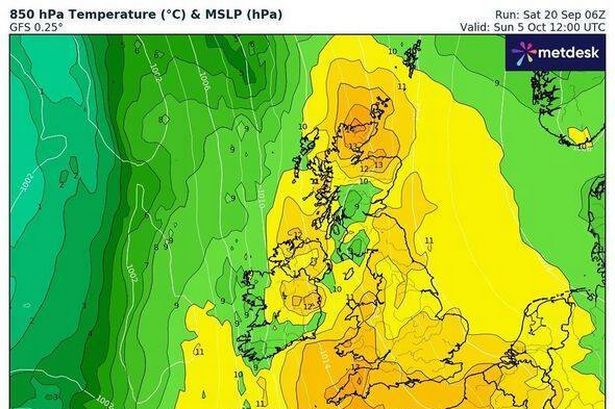
Forecasts for the remainder of 2023 suggest a possibility of an Indian summer occurring later this autumn, with meteorologists predicting warm spells toward the end of October. The UK is currently experiencing periods of unsettled weather, but high-pressure zones may bring a return to pleasant temperatures. This year’s phenomenon could once again draw out individuals into parks and nature reserves, increasing foot traffic in popular destinations.
Conclusion
The occurrence of an Indian summer in the UK not only enriches the experience of residents and tourists alike but also highlights the changing patterns in weather due to climate change. Whether one enjoys the mild temperatures or remains cautious of its effects on nature, understanding this phenomenon allows for greater appreciation of the shifting landscapes of British weather. It is essential for local authorities, businesses, and individuals to stay informed and prepared for these warm spells as they continue to evolve in frequency and intensity.