Introduction
Reform UK has emerged as a significant player in the political landscape of the United Kingdom, particularly in the wake of Brexit. Founded in 2019, the party aims to bring about substantial reforms within the political structure and governance of the UK. Central to its identity is Nigel Farage, a well-known figure in British politics, whose influence and advocacy for policy change have resonated deeply with voters. Understanding the role of Reform UK and Farage is essential for grasping the ongoing evolution of political dynamics in the UK, especially as the next election approaches.
Reform UK: Origins and Goals
Originally founded as the Brexit Party, Reform UK was established to ensure that the UK would fully embrace its independence post-Brexit. The party’s primary objectives include advocating for electoral reform, promoting a market-driven economy, and enhancing local governance. While the initial focus was on leaving the EU, the party has since pivoted towards addressing broader issues, such as health care, crime, and immigration policies.
Nigel Farage’s Role
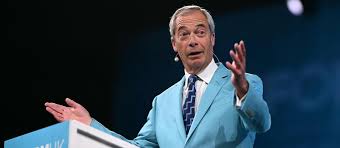
Nigel Farage, a former Member of the European Parliament and an iconic figure in the Brexit campaign, has been pivotal in shaping Reform UK’s narrative. He resigned from the Brexit Party leadership in 2020 but has remained a prominent supporter and spokesperson for the party. Farage’s charisma and populist approach have helped the party retain visibility and appeal among disenchanted voters. His return to the media spotlight has reignited discussions around national sovereignty, primarily centred on his stance on immigration reform.
Recent Developments
In recent months, Reform UK has been gaining traction in various local elections, capitalising on public sentiment regarding government handling of the COVID-19 pandemic and subsequent economic issues. The party has also started to focus on national issues like crime rates and the NHS, advocating for increased funding and reforms to improve public services. In a recent poll, Reform UK registered significant support, particularly among right-leaning voters dissatisfied with both the Conservative and Labour parties.
Conclusion and Future Prospects
The significance of Reform UK and Nigel Farage in the current political landscape cannot be overstated. As the UK prepares for a general election, the debate around electoral reform and governance will likely intensify, presenting both opportunities and challenges for the party. Analysts predict that if Reform UK continues to engage effectively with the electorate and address pressing social issues, it could play a crucial role in shaping the outcome of future elections. For voters seeking alternatives to the traditional parties, Reform UK’s rise appears promising, reflecting an enduring demand for political change in the UK.