Introduction to First Cousin Marriage
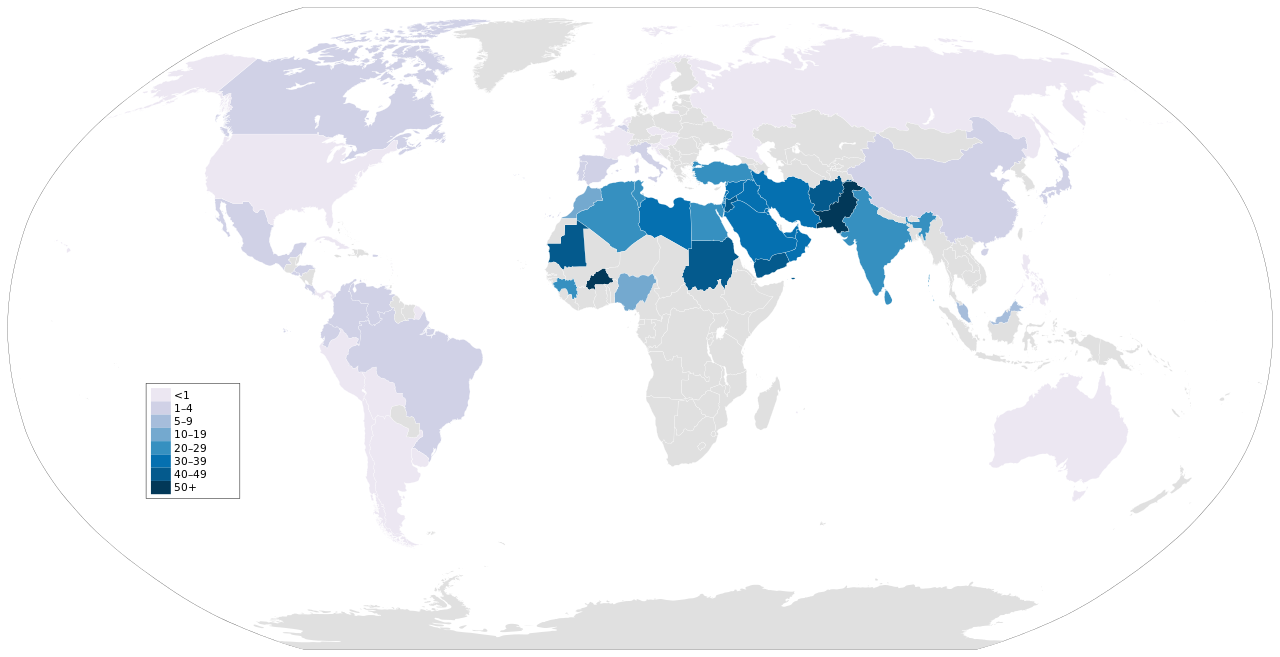
First cousin marriage has been a common practice in various cultures around the world, often stemming from deep-rooted traditions or societal norms. With around 10% of marriages in the United States and higher rates in some regions of Europe, the significance and implications of this practice invite ongoing discussion. This article explores the cultural importance, legal status, and health considerations associated with marrying a first cousin.
Cultural Perspectives
In many communities, marrying a first cousin is seen as a way to strengthen familial ties and preserve wealth within the family. This practice is prevalent in several countries, such as Pakistan, Afghanistan, and India, where it is often preferred and even encouraged. In contrast, in nations like the UK and the United States, first cousin marriage remains a controversial topic, facing social stigma and legal restrictions in some states. The differing attitudes towards first cousin marriages highlight the diversity in cultural beliefs regarding family and relationships.
Legal Status Around the World
The legality of first cousin marriage varies significantly by country and region. In the United States, 24 states permit first cousins to marry, while others impose restrictions or outright bans. In contrast, many countries in Europe and the Middle East have more permissive laws, acknowledging the cultural dynamics at play. It is essential for individuals considering a first cousin marriage to understand local laws to avoid potential legal issues.
Health Implications
One of the considerations often raised in discussions about first cousin marriage concerns the potential health risks associated with genetic disorders. Research indicates that children born to first cousins have a higher risk of inheriting genetic abnormalities. The degree of risk, however, varies based on several factors, including family health history and genetic counseling. According to a study published in the American Journal of Medical Genetics, the risk of congenital defects in children of first cousins is approximately 1.7 to 2.8 times higher than in the general population. Awareness and education on genetic testing and counseling are crucial for those contemplating such unions.
Conclusion
First cousin marriage presents a myriad of cultural, legal, and health considerations that continue to be relevant in today’s society. As globalization and cross-cultural interactions increase, understanding these dynamics will become increasingly important. Cultural practices are deeply rooted in history, and while they may evolve, they shape the fabric of communities. Individuals considering first cousin marriages should weigh cultural traditions against legal guidelines and health implications, ensuring informed and responsible decisions that reflect both personal beliefs and public health standards.