Introduction
Bipolar disorder is a significant mental health condition affecting millions worldwide. Characterised by extreme mood swings, including phases of mania and depression, it can severely impact a person’s quality of life and their ability to maintain relationships and perform daily activities. Understanding bipolar disorder is crucial as it fosters awareness and encourages early intervention, which can lead to effective management and support for those affected.
What is Bipolar Disorder?
Bipolar disorder, formerly known as manic-depressive illness, primarily involves shifts in mood, energy, activity levels, and the ability to think clearly. These mood episodes can be classified into three main types: Bipolar I, Bipolar II, and Cyclothymic Disorder. Bipolar I is marked by manic episodes that last at least seven days or by manic symptoms that are so severe that immediate hospitalisation is required. Bipolar II involves a pattern of depressive episodes and hypomanic episodes but never a full manic episode. Cyclothymic disorder consists of numerous periods of hypomanic symptoms and periods of depressive symptoms lasting for at least two years.
Symptoms
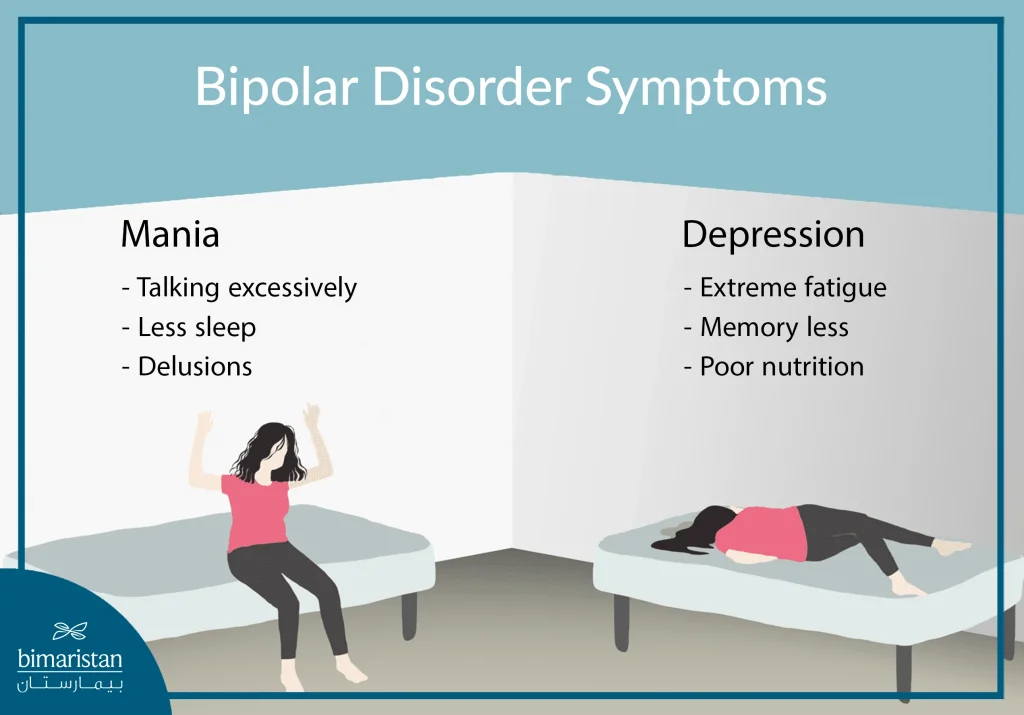
Symptoms of bipolar disorder can vary based on the type and individual experiences. During a manic episode, one may feel euphoric, full of energy, or unusually irritable. They might engage in reckless behaviour, have racing thoughts, and experience decreased need for sleep. Conversely, during a depressive phase, symptoms may include feelings of sadness or hopelessness, fatigue, changes in appetite, and a lack of interest in activities once enjoyed. These mood swings can be drastic, often creating personal and professional challenges.
Treatment and Management
Managing bipolar disorder typically involves a combination of medication and psychotherapy. Mood stabilisers, antipsychotic medications, and antidepressants are often prescribed to help moderate mood swings. Psychotherapy, particularly cognitive behavioural therapy (CBT), can assist individuals in understanding their condition and developing coping strategies. Support groups also play an essential role in providing a network of shared experiences and advice, helping to reduce feelings of isolation.
Conclusion
As awareness of mental health continues to rise, understanding bipolar disorder’s complexities is essential for fostering empathy and encouraging those affected to seek help. Ongoing research into the causes, symptoms, and treatments of bipolar disorder remains crucial. While there is currently no cure, the potential for effective treatments means individuals can lead fulfilling lives. Encouraging open conversations and reducing stigma around mental health are significant steps toward better understanding and support for those living with bipolar disorder.