Introduction
All Souls Day, observed on November 2nd, is a significant event in the Christian liturgical calendar dedicated to commemorating the faithful departed. This observance gains prominence particularly within the Catholic Church, but it holds relevance across various Christian denominations and cultures. The day serves as a reminder of the transient nature of life and the enduring connections between the living and the dead.
Historical Significance
Originating in the early centuries of Christianity, All Souls Day was formalised by Saint Odilo of Cluny in the 10th century. It follows All Saints Day, which honours all saints known and unknown. While All Saints Day celebrates the lives of those who have attained heaven, All Souls Day focuses on those who have died but may still be in need of purification before entering into the heavenly realm. This reflects the Catholic belief in purgatory, where souls are purified before achieving eternal happiness.
Modern Observances
Today, traditions surrounding All Souls Day vary widely around the world. In many Latin American countries, including Mexico, the day forms part of the Día de los Muertos (Day of the Dead) celebrations. Altars adorned with photos, favourite foods, and mementos of departed loved ones are a common practice. Families gather to honour and remember the deceased, emphasising the importance of familial bonds and remembrance.
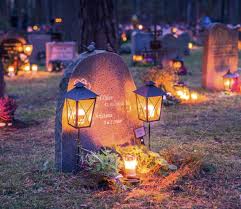
In Europe, particularly in countries like Spain and Italy, people visit cemeteries to clean and decorate graves with flowers and candles. Special prayers are said, and Mass services are held to intercede on behalf of those souls who have passed away, thus enhancing the spiritual connection with the departed.
Spiritual Significance
For many faith communities, All Souls Day serves as a time for reflection and spiritual growth. It prompts individuals to examine their own lives in light of mortality and the shared human experience of grief. The day also invites believers to pray not only for loved ones who have died but for all souls who may be suffering in purgatory, demonstrating a profound compassion within the community.
Conclusion
In conclusion, All Souls Day holds a deep-seated value in the observance of death and remembrance in various cultures. As individuals come together to honour their loved ones, the day reinforces the notion of unity among the living and the departed. Whether through liturgical services, personal reflections, or festive celebrations, All Souls Day continues to remind us of the importance of remembrance, compassion, and hope in the face of loss. As society continues to evolve, the essence of All Souls Day remains a timeless tribute that transcends generations.