Introduction
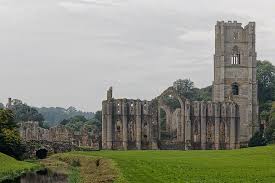
Fountains Abbey, a UNESCO World Heritage site located in North Yorkshire, is one of the most remarkable remnants of the 12th century in England. Its significance lies not only in its stunning architecture but also in the rich historical narrative it presents about monastic life and the Cistercian order. As one of the largest and best-preserved Cistercian abbeys in the country, Fountains Abbey attracts history enthusiasts, architecture lovers, and tourists, making it an important symbol of medieval heritage in the UK.
The History of Fountains Abbey
Founded in 1132 by a group of Benedictine monks, Fountains Abbey established itself as a pivotal religious institution during the Middle Ages. The abbey’s construction was led by the monks who sought a more austere lifestyle, aligning with the Cistercian principles of simplicity and self-sufficiency. The abbey expanded rapidly, with significant architectural developments occurring through the 12th to 16th centuries. At its peak, it housed over 300 monks and was renowned for its agricultural prowess, engaging in sheep farming and wool production, which significantly contributed to the local economy.
Architectural Highlights
The architectural grandeur of Fountains Abbey is breathtaking. Visitors can explore the remains of the impressive nave, the cloisters, and the intricate stonework that showcase the craftsmanship of the time. The Abbey is distinguished by its Gothic-style architecture, with salient features such as pointed arches and ribbed vaults that have influenced the design of subsequent religious buildings in England. Furthermore, the picturesque landscape surrounding the ruins, including the water garden and the remnants of the medieval mill, adds to its historical allure.
Current Events and Visitor Experience
As of 2023, Fountains Abbey continues to thrive as a popular tourist destination, with its visitor centre providing insights into its history through exhibitions, guided tours, and educational programmes. The site also hosts various events throughout the year, including historical reenactments and nature walks, promoting engagement with both the cultural heritage and the natural beauty of the area. Recent efforts have been made to enhance the accessibility of the site, ensuring that it remains welcoming to all visitors.
Conclusion
Fountains Abbey stands as a testament to England’s rich monastic history and architectural innovation. It serves not only as a symbol of the Cistercian order but also as a vital part of the UK’s historical narrative. The preservation and continued promotion of this significant site ensure that future generations can appreciate its beauty and history. As visitors flock to this UNESCO World Heritage site, it remains a key player in fostering an understanding of England’s past and its cultural heritage.