Introduction
Tuvalu, a small island nation in the Pacific Ocean, is becoming increasingly significant in global discussions about climate change and environmental sustainability. With a land area of just 26 square kilometres spread across nine islands, this nation is among the most vulnerable to rising sea levels, making its plight a focal point in the climate crisis narrative.
Tuvalu’s Vulnerability
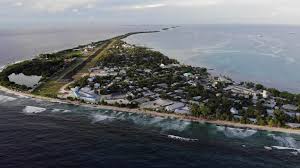
The low-lying atolls of Tuvalu are only a few metres above sea level, and as climate change accelerates, they face the dire threat of submersion. Recent reports indicate that Tuvalu may become uninhabitable by 2050 if current climate trends continue, highlighting the urgent need for international support and intervention. The country has been vocal in global climate forums, advocating for significant action against carbon emissions to protect not only its future but also to set a precedent for other vulnerable nations.
Recent Developments
In good news, the government of Tuvalu has secured funding from various international organisations aimed at enhancing its climate resilience strategies. This financial support will be used to develop infrastructure that can withstand rising tides and improve freshwater resources, crucial for the population’s survival. Additionally, Tuvalu has championed the ‘Blue Pacific’ narrative, emphasising the importance of ocean conservation and its implications for global health and weather patterns.
International Community’s Role
Tuvalu’s plight has resonated across the world, leading to increased discussions among global leaders about climate equity and justice. Countries such as Australia and New Zealand have pledged support to Tuvalu, aiming to strengthen bilateral ties while addressing environmental concerns. However, many critics argue that more concerted global efforts are needed to combat climate change fundamentally, rather than addressing its symptoms. Activists stress that richer nations, historically the biggest polluters, must take leading roles in providing resources and technology to assist Tuvalu and similar nations.
Conclusion
Tuvalu’s situation epitomises the existential threats posed by climate change, especially to low-lying island nations. As the world watches Tuvalu’s challenges unfold, it serves as a call to action for countries to unite in tackling climate change head-on. The resilience of Tuvalu’s citizens, coupled with international collaboration, could pave the way for innovative solutions. Should global leaders heed the warnings and integrate sustainable practices, they might ensure a habitable future not just for Tuvalu but for the wider Pacific region and the world.