Introduction
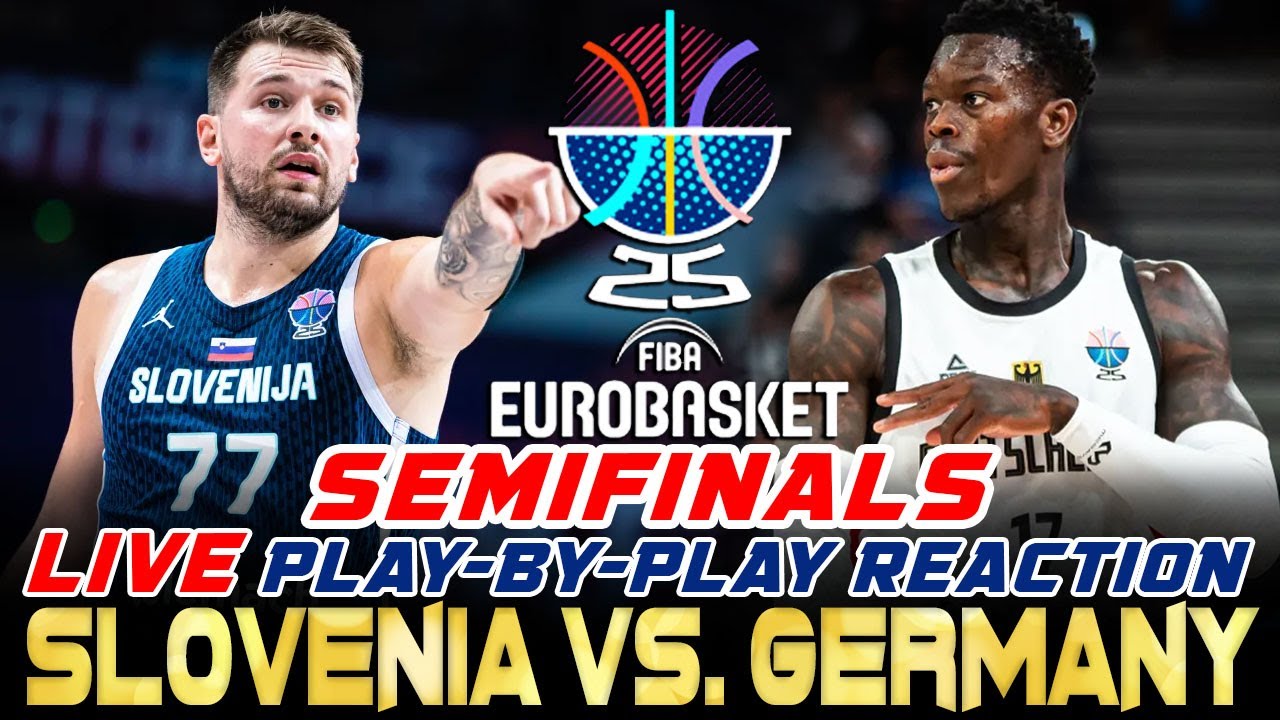
The recent match between Germany and Slovenia has captivated football fans around the globe, demonstrating the growing prowess of Slovenia on the international stage. As teams prepare for upcoming tournaments, the outcomes of such matches can be pivotal in shaping strategies and team morale. This game drew attention not only for its competitive nature but also for its implications in the world of international football.
Match Overview
On October 12, 2023, Germany faced Slovenia in a friendly international fixture held at the RheinEnergieStadion in Cologne. This match provided an essential platform for both teams to assess their squads ahead of the UEFA European Championship qualifying rounds.
Germany, traditionally one of the powerhouses of European football, entered the match with a points-deficit in their UEFA qualifiers and sought to build confidence ahead of their crucial matches in November. Slovenia, on the other hand, was determined to prove their emerging capability as they aim for a solid qualification campaign.
Key Moments of the Match
The match began with Germany asserting their dominance early on, with an aggressive attacking mindset. The first goal arrived in the 20th minute when German forward Timo Werner found the back of the net after a superb assist from Kai Havertz. This early lead invigorated the home crowd and boosted morale within the German squad.
However, Slovenia quickly retaliated. Luka Zahovič, a standout performer for Slovenia, scored an equaliser just before half-time with a powerful shot from outside the box that left German keeper Manuel Neuer rooted to the spot. This goal not only showcased Zahovič’s remarkable skill but also highlighted Slovenia’s potential to compete against top-tier teams.
In the second half, both teams had chances to take the lead, but strong defensive plays and missed opportunities culminated in a hard-fought draw, ending the match 1-1. This result was seen as a morale booster for Slovenia, while Germany heads back to the drawing board as they continue to refine their strategy.
Conclusion
The match between Germany and Slovenia served as a reminder of the ever-changing dynamics within international football. With Slovenia’s solid performance, they have cemented their reputation as a team to watch in upcoming competitions. Meanwhile, Germany is tasked with addressing their inconsistencies as they prepare for critical matches ahead. Both teams possess valuable insights from this encounter, which will inform their preparations for future challenges in the competitive landscape of European football.