Background and Expectations
Prior to the recent developments, the expectation surrounding military engagements in the Middle East was characterized by a cautious approach to airstrikes. The use of precision-guided munitions, such as the Tomahawk missile, was generally reserved for high-value targets with clear military objectives. The Tomahawk missile, manufactured by Raytheon, is known for its accuracy and has been sold to allied nations like Japan and Australia. However, there was no public evidence suggesting that Iran possessed such advanced weaponry.
Decisive Moment
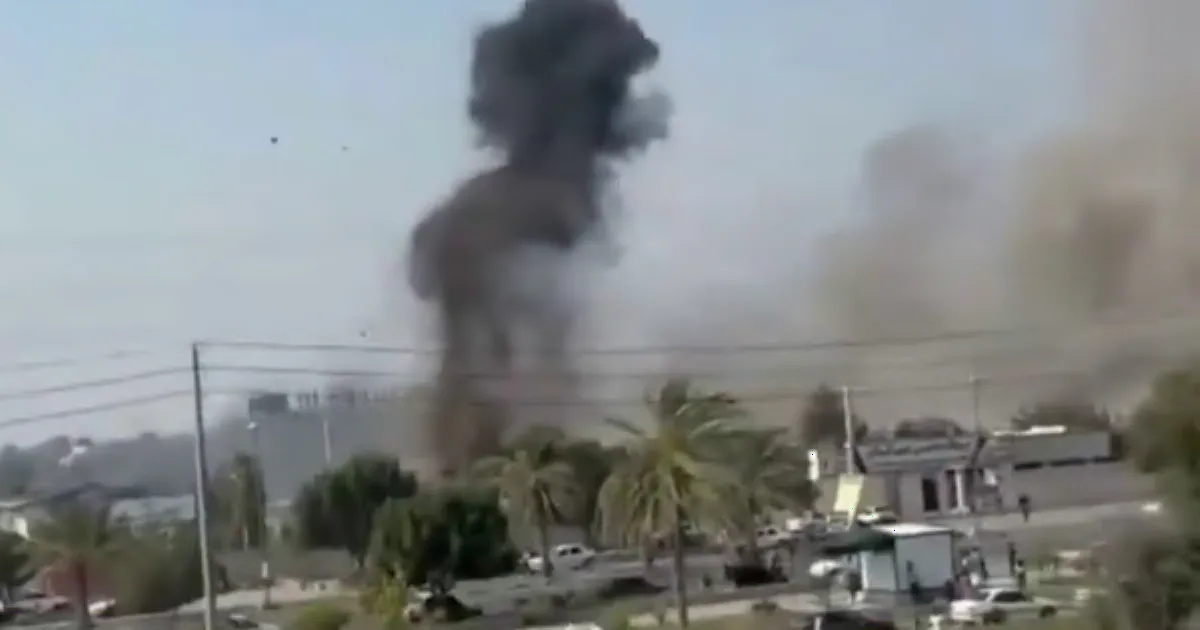
On February 28, 2026, a US Tomahawk missile struck the Shajarah Tayyebeh school in Minab, Iran, resulting in the tragic loss of more than 170 lives. Initial reports indicated that at least 165 people were killed in the attack, which occurred near a Revolutionary Guard base. This incident marked a significant escalation in military actions in the region, as U.S. Central Command confirmed the use of Tomahawk missiles in the ongoing conflict.
Immediate Effects
The missile strike has had immediate and devastating effects on the local population, with over 170 casualties reported. The school, located adjacent to a Revolutionary Guard base and near naval barracks, was not the intended military target, raising serious concerns about the operational decisions made prior to the strike. Experts have verified video footage showing the missile impact, but independent verification of the attack remains limited due to the ongoing conflict.
Expert Perspectives
Experts have raised alarms regarding the legality of the strike under international law. Janina Dill, a legal scholar, emphasized that attackers are obligated to verify the status of targeted objects to avoid civilian casualties. The Pentagon has initiated an internal assessment of the airstrike, reflecting the gravity of the situation. Meanwhile, Donald Trump has claimed that Iran has access to Tomahawk missiles, despite the lack of evidence supporting this assertion.
Broader Implications
The ramifications of this strike extend beyond immediate casualties. It has sparked a renewed debate about the United States’ military strategy in the region and the ethical implications of using such lethal force. Pete Hegseth, a commentator, stated that America is conducting the most lethal and precise air power campaign in history, regardless of the opinions of international institutions. This perspective highlights the ongoing tension between military objectives and humanitarian considerations.
Continuing Uncertainties
As the situation unfolds, uncertainties remain regarding Iran’s military capabilities. No public evidence suggests that Iran has obtained or operates Tomahawk missiles, which adds a layer of complexity to the narrative surrounding the strike. The lack of clarity regarding the intended target and the high civilian toll raises critical questions about accountability and the future of military engagement in the region.
The Tomahawk missile strike in Iran represents a pivotal moment in the ongoing conflict, challenging previous expectations of military engagement and raising significant legal and ethical questions. As investigations continue, the international community watches closely, awaiting clarity on the implications of this tragic event.