Introduction
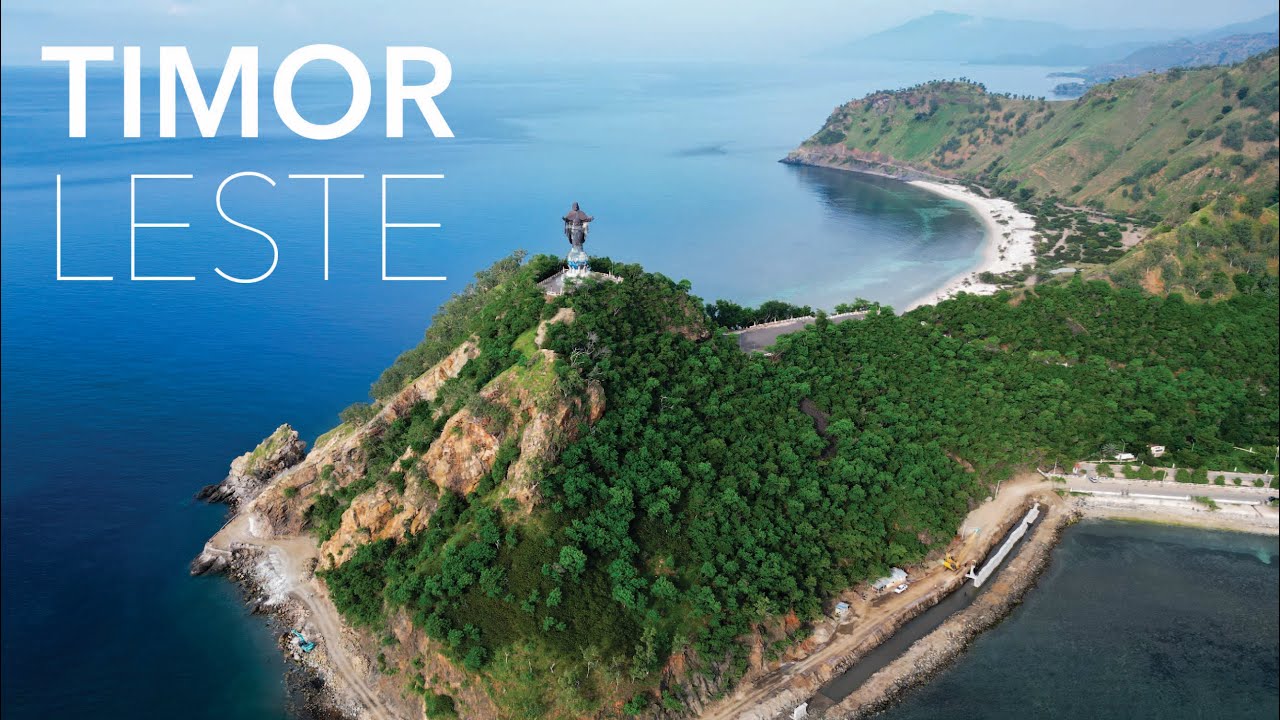
Timor-Leste, a small Southeast Asian nation also known as East Timor, is becoming increasingly significant in global discourse. With its rich cultural heritage, biodiversity, and strategic location, the country has made strides since its independence in 2002, growing rapidly in terms of economy and international relations. Understanding Timor-Leste’s past and present is crucial for recognising its potential in the global arena.
Recent Developments
In recent months, Timor-Leste has garnered attention for its efforts to diversify its economy, which has been heavily reliant on oil and gas revenues. The government has initiated various projects aimed at promoting sustainable agriculture, tourism, and renewable energy sources. The aim is to create more jobs and reduce vulnerability to fluctuating oil prices.
In October 2023, the Timor-Leste government launched the ‘Green Economy’ initiative, aimed at tapping into the growing global demand for sustainable practices. This initiative focuses on protecting local ecosystems while promoting eco-tourism, which is expected to attract international visitors eager to explore Timor-Leste’s stunning landscapes and rich cultural history.
Moreover, the country is exploring its membership in the Association of Southeast Asian Nations (ASEAN), with discussions underway about possible accession in the coming years. Joining ASEAN could significantly enhance Timor-Leste’s economic opportunities and strengthen its diplomatic ties with its neighbouring countries.
Challenges Ahead
Despite these positive developments, Timor-Leste continues to face numerous challenges, including political instability, corruption, and limited infrastructure. The government has formed various committees to address transparency issues and boost investment in essential services, but public trust remains a significant hurdle.
Another pressing issue is education and skill development. The government is investing in educational reforms to enhance literacy and vocational training, aiming to equip the youth with the necessary skills to access new job opportunities.
Conclusion
Timor-Leste stands at a crucial juncture in its development journey. With a commitment to diversification and sustainable practices, combined with the ambition of potentially joining ASEAN, the nation has opportunities to enhance its global standing. As Timor-Leste continues to navigate its challenges, its progress will be closely monitored by the international community, eager to witness the transformation of this vibrant nation. The future looks promising for Timor-Leste, and its story serves as an inspiring example of resilience and hope in the Southeast Asian region.