Introduction
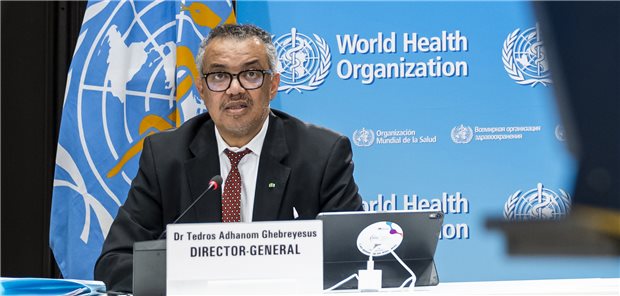
The World Health Organization (WHO) is an authoritative entity in global public health, established in 1948. Its primary goal is to promote health, keep the world safe, and serve vulnerable populations. As the world continues to recover from the COVID-19 pandemic, the relevance of the WHO in coordinating international health efforts has never been more critical.
Current Events and Activities
Recently, the WHO has been in the spotlight for various initiatives, including the distribution of COVID-19 vaccines through the COVAX programme. This international initiative aims to ensure equitable access to COVID-19 vaccinations, particularly in low- and middle-income countries. As of October 2023, over 1.5 billion vaccine doses have been distributed worldwide through COVAX, underscoring the organisation’s pivotal role in global health.
Furthermore, the WHO is actively addressing other global health challenges, including anti-microbial resistance, non-communicable diseases, and mental health. The organisation recently launched a new global strategy aimed at improving mental health services and reducing stigma associated with mental illness, particularly in developing nations. The emphasis on mental health reflects a broader recognition of its importance in overall health and well-being.
Challenges Faced by the WHO
Despite its vital role, the WHO faces significant challenges. Criticism has been directed at its response to the pandemic, with calls for more transparency and accountability. The organisation is also navigating geopolitical tensions and varying national interests, which can hinder collaborative efforts. These challenges highlight the need for reform and greater investment in global health initiatives.
Conclusion
The World Health Organization remains an indispensable leader in addressing health crises and promoting global health equity. As it strides towards its goals, the commitment of member states to support and collaborate with the WHO will be critical. As we look to the future, the significance of the WHO in shaping health policies, responding to emerging health threats, and managing health equity becomes increasingly evident. Allied with its international partners, the WHO will continue to influence global health for generations to come.