Introduction
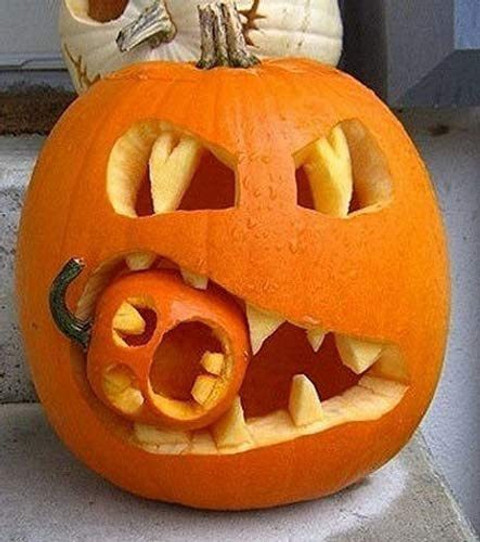
The tradition of carving Jack O’Lanterns is an integral part of Halloween celebrations in many cultures, particularly in North America. These hollowed-out pumpkins, typically illuminated from within by candles or lights, have adorned homes and public spaces throughout October. The ritual of creating Jack O’Lanterns not only brings festive spirit but also connects us to cultural and historic practices that date back centuries.
The Origins of Jack O’Lanterns
The story of the Jack O’Lantern begins in Irish folklore, where it is said that a man named Stingy Jack tricked the Devil and was condemned to wander the Earth with only a burning coal as a source of light. To protect himself from the wandering spirits and to guide his way, he would place the coal inside a carved turnip. When Irish immigrants settled in America, they found that pumpkins—native to the region—were larger and easier to carve, leading to the modern tradition we celebrate today.
Jack O’Lanterns Today
In contemporary times, the practice of carving Jack O’Lanterns has evolved into a playful art form engaging families and communities alike. Every October, pumpkin patches across the UK and elsewhere invite people to choose their pumpkins, often accompanied by festive activities such as hayrides and corn mazes. Competitions for the most creatively carved Jack O’Lanterns have also become popular, showcasing the artistic talent of participants. Furthermore, the symbolism of the Jack O’Lantern has shifted toward Halloween fun, representing the season’s spirit of spooky celebrations while retaining connections to its ancient roots.
Environmental Considerations
In recent years, awareness of sustainability has led some to consider the environmental impact of Jack O’Lanterns. As millions of pumpkins are discarded after Halloween, many advocates encourage composting and reusing them in various ways like cooking or donating to farms for livestock feed. Educating the public on responsible disposal and sustainable practices can help ensure that the joy of Jack O’Lanterns does not come at a cost to our environment.
Conclusion
The tradition of Jack O’Lanterns is a spirited blend of history, culture, and creativity. As we carve and display our pumpkins each Halloween, we not only embrace the season’s festivities but also pay homage to centuries-old folklore. Looking ahead, the practice may continue to evolve, combining festive fun with increasingly eco-conscious decisions, allowing Jack O’Lanterns to remain a vibrant part of our Halloween heritage for generations to come.