Introduction
The London Palladium, an emblematic venue in the heart of the West End, has been a cornerstone of London’s theatre culture since its opening in 1910. Known for its lavish performances and historic significance, the Palladium continues to attract audiences from around the world. Its adaptability over the years illustrates the evolving landscape of entertainment in the UK, making it an essential subject for theatre enthusiasts and cultural historians alike.
The Legacy of the Palladium
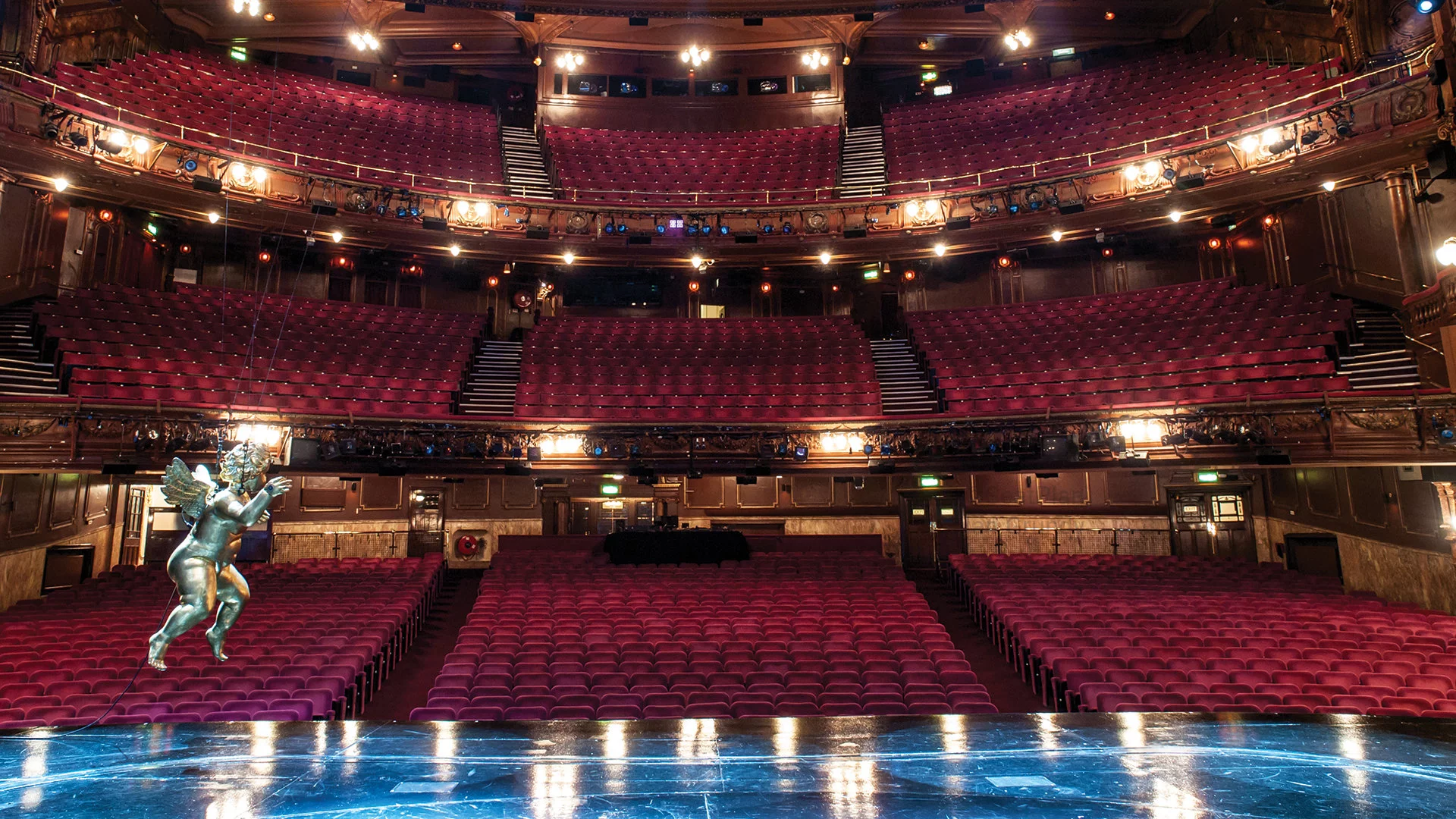
Over the past century, the London Palladium has hosted an array of notable performances ranging from grand musicals to concerts. Famous personalities such as Judy Garland, Frank Sinatra, and The Beatles have graced its stage, solidifying its reputation as a launchpad for many iconic careers and memorable moments in entertainment history. Its impressive capacity of 2,286 seats makes it one of the largest theatres in the West End, allowing it to accommodate large-scale productions. The venue’s design, featuring a stunning interior with ornate details, enhances the audience experience.
Recent Developments
In the wake of the COVID-19 pandemic, the London Palladium, like many theatres, faced significant challenges, including temporary closures and restrictions on capacity. However, it has emerged resilient, resuming operations with enhanced safety protocols to ensure the well-being of audience members and staff. The theatre has become a pioneer in promoting diverse performances, hosting a variety of productions, including musicals like ‘Joseph and the Amazing Technicolor Dreamcoat’ and special events to commemorate its centennial legacy.
The Importance of the Palladium Today
As the London theatre scene continues to evolve, the Palladium remains a vital cultural landmark. Its commitment to inclusivity and innovation in the arts ensures that it stays relevant in contemporary times. The venue’s programming now frequently includes diverse stories, recognising the importance of representation in theatre. Additionally, it serves as a platform for international touring productions, contributing to London’s status as a global centre for theatrical excellence.
Conclusion
The London Palladium is more than just a theatre; it is a cultural touchstone that embodies the rich tapestry of London’s artistic heritage. As it moves forward, its ability to adapt to changing audience expectations and embrace new forms of entertainment will determine its continued success. For theatre-goers and tourists alike, the Palladium promises an experience that is steeped in history while celebrating the future of performance art in the UK.