Introduction: The Significance of the Titanic
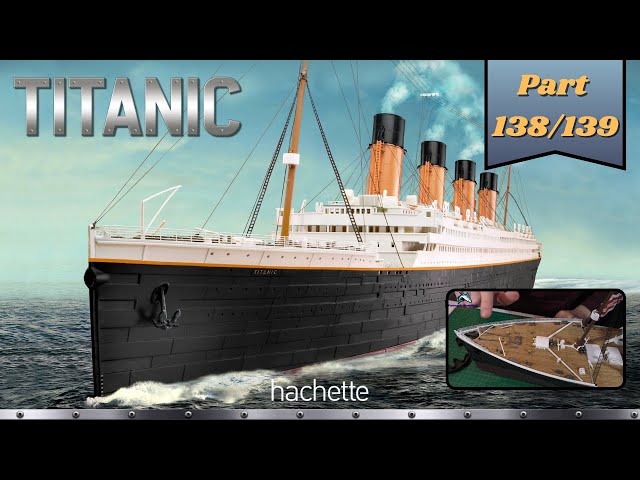
The RMS Titanic is one of the most renowned ships in history, largely due to its tragic sinking on April 15, 1912, during its maiden voyage. This disaster claimed the lives of over 1,500 passengers and crew members, making it one of the deadliest maritime disasters in peacetime. The legacy of the Titanic continues to resonate in maritime safety standards, cultural representations, and public consciousness.
The Events Leading to the Disaster
The Titanic was constructed by Harland and Wolff in Belfast, Ireland, and was touted as the largest and most luxurious ship of its time. Equipped with advanced features and deemed “unsinkable,” the Titanic’s voyage from Southampton to New York City commenced on April 10, 1912. However, on the night of April 14, the ship made contact with an iceberg in the North Atlantic Ocean, leading to its tragic demise just hours later. Factors contributing to the disaster included inadequate lifeboats, a lack of sufficient safety drills, and poor visibility caused by ice warnings that were not fully communicated to the crew.
Rescue Efforts and Aftermath
The response to the Titanic’s sinking was hampered by the limited number of rescue ships available in the area. The Carpathia, an ocean liner on its way to New York, arrived approximately 70 minutes after the Titanic sank, rescuing just over 700 survivors. Additionally, the aftermath of the tragedy prompted widespread scrutiny of maritime laws and safety regulations. Many changes were enacted, including the requirement for ships to carry enough lifeboats for all passengers and crew and improved communication systems among ships.
The Cultural Impact
The Titanic disaster has inspired countless books, films, and documentaries, cementing its place in popular culture. The 1997 film directed by James Cameron, which portrayed the love story set against the backdrop of the sinking, revitalized public interest in the Titanic and turned it into a cultural phenomenon. It not only highlighted the human stories behind the tragedy but also addressed themes of class disparity and human error.
Conclusion: The Legacy of Titanic
The Titanic serves as a cautionary tale about the limits of human technology and the importance of safety in maritime navigation. Its legacy endures in improved maritime safety practices and a collective memory that urges vigilance and responsibility. As new expeditions continue to explore the wreck site and technological advances shed light on the mysteries of the past, the story of the Titanic remains a poignant reminder of the fragility of life and the responsibility we hold to protect it.