Introduction
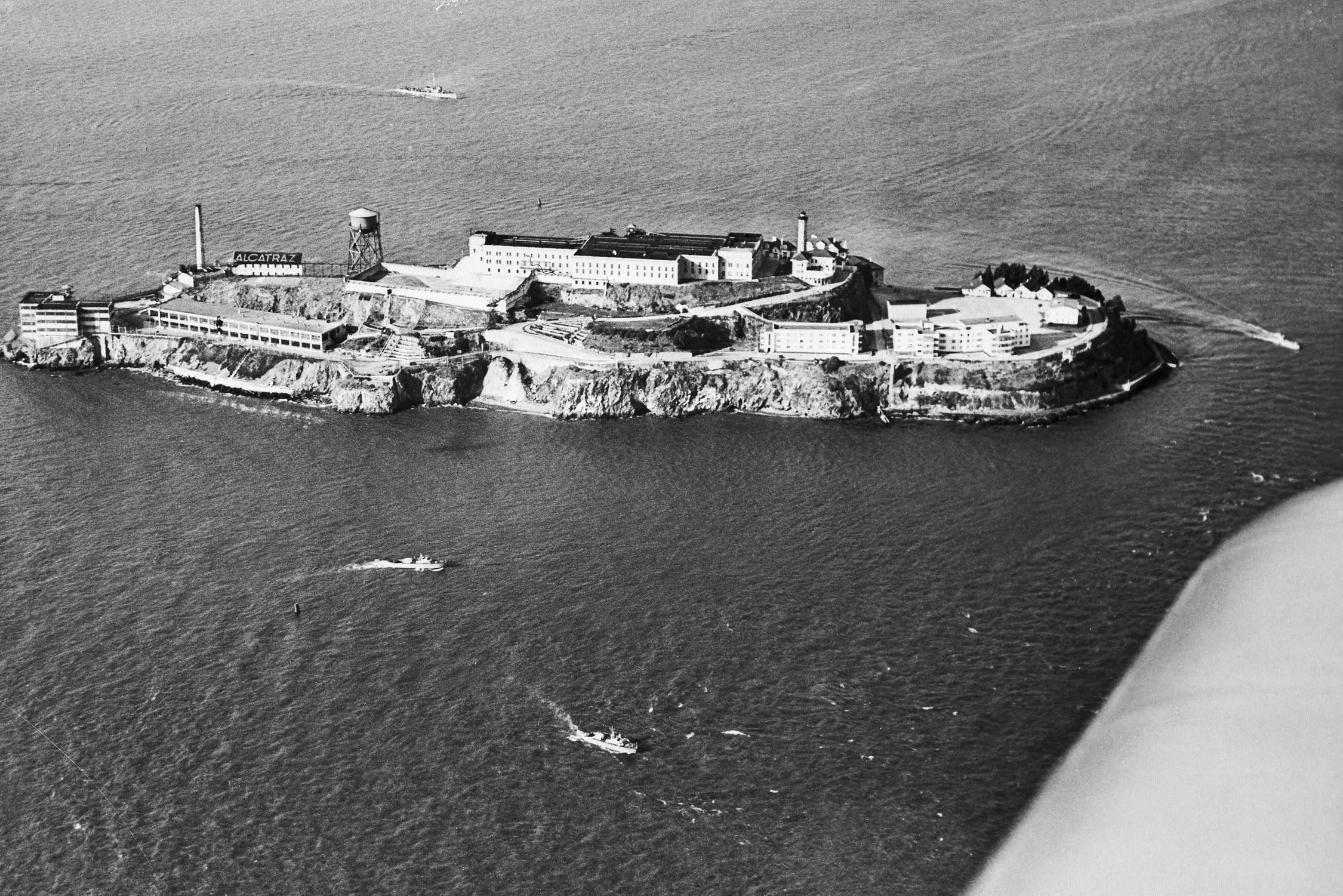
Alcatraz Island, famed for its cold waters and notorious prison, has become a focal point for historians, tourists, and crime enthusiasts alike. Located in the San Francisco Bay, Alcatraz is not only significant due to its infamous past but also for its cultural and historical relevance in American history. The island serves as a reminder of a time when prison reform was a hot topic, and its evolution reflects broader societal changes in the United States.
Alcatraz’s History
Alcatraz was first identified by Spanish explorer Juan Manuel de Ayala in 1775 and was later used for military purposes after the United States took control of California in 1846. However, its transition to a federal penitentiary in 1934 is what truly cemented its place in American lore.
As a federal prison, Alcatraz housed some of the most dangerous criminals of the time, including the infamous gangster Al Capone and bank robber George “Machine Gun” Kelly. The prison was known for its maximum security environment, designed to prevent escapes. Many of its inmates were notorious figures, and the institution quickly became synonymous with the harsh realities of life behind bars.
Notable Events and Escapes
Over its three decades as a federal prison, Alcatraz witnessed numerous escape attempts, with the most famous being the 1962 Alcatraz escape when inmates Frank Morris and the Anglin brothers managed to flee from their cells. They created makeshift rafts and were presumed to have drowned in the bay’s treacherous currents, but their fates remain a topic of speculation and legend.
The penal institution was closed in 1963, deemed too costly and outdated. Alcatraz’s closure also coincided with a shift in the approach to criminal justice in the United States, moving away from such harsh confinement measures.
Current Significance
Today, Alcatraz Island is a National Historic Landmark, attracting over a million visitors annually. The National Park Service manages the area, providing insights into its history and the stories of its infamous inmates. Guided tours teach visitors about the prison’s past, its notorious escape attempts, and the lives of those who lived there, making it both an educational and haunting experience.
Conclusion
In conclusion, Alcatraz Island holds a unique place in American history, representing a bygone era of severe punitive measures and the complexities of criminal justice. Its transformation from an infamous prison to a notable tourist attraction reflects evolving societal attitudes toward crime, punishment, and rehabilitation. For those interested in the darker facets of American history, a visit to Alcatraz remains an unforgettable journey through time.