Introduction
Peacocks, known for their stunning and vibrant plumage, are more than just a symbol of beauty; they play an important role in the ecosystem. In recent years, their significance has captured the attention of both nature enthusiasts and environmentalists, highlighting the need for their conservation. As we observe shifts in climate and habitat loss, understanding the ecological role of peacocks has become ever more relevant.
Biology and Behaviour
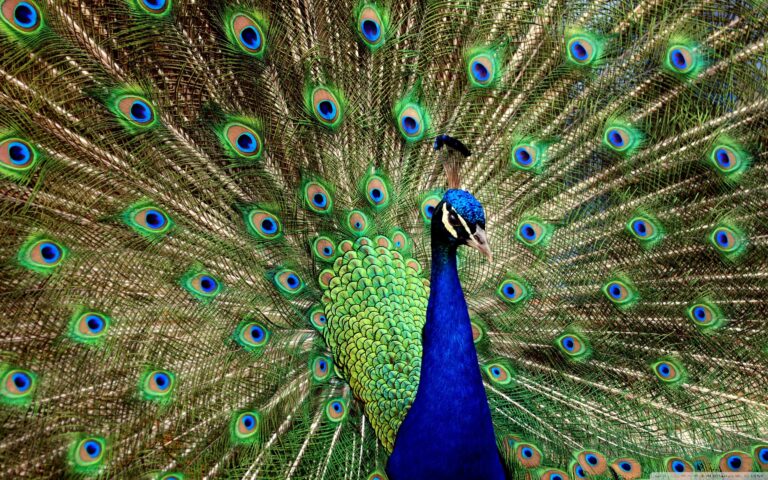
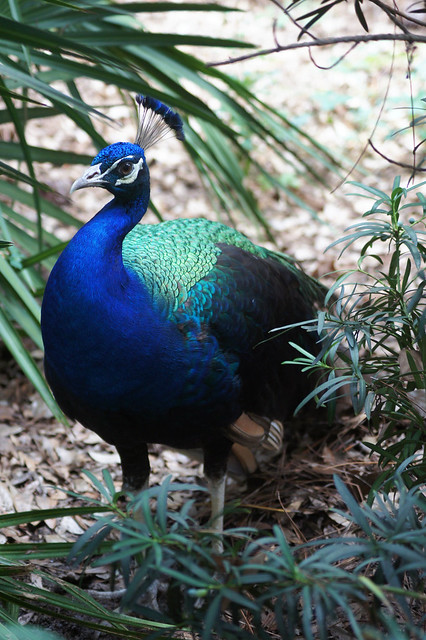
The peacock, primarily the male of the species known as the Indian Peafowl (Pavo cristatus), is famous for its iridescent tail feathers, often referred to as a ‘train’, which can span up to 6 feet. This spectacular display is used during courtship rituals to attract peahens (females). The vibrant colours are not created by pigments but by microscopic structures that reflect light, making them incredibly captivating.
Peacocks are omnivorous birds, feeding on a variety of insects, seeds, and plants. They contribute to their environment by helping control insect populations and scattering seeds, promoting healthier ecosystems.
Habitat and Conservation Status
Native to the Indian subcontinent, peacocks have adapted to various habitats including forests and grasslands. However, their populations have significantly declined due to habitat destruction, hunting, and climate change. Recent reports from the International Union for Conservation of Nature (IUCN) indicate that while the overall population of Indian Peafowl is stable, certain regions are witnessing troubling declines.
Conservation efforts are underway in various parts of India and surrounding countries, focusing on habitat preservation and education to promote coexistence with humans. These initiatives not only aim to protect peacocks but also the biodiversity within their ecosystems.
The Cultural Significance of Peacocks
Beyond their ecological role, peacocks hold significant cultural importance in many societies. In India, the peacock is the national bird and is often associated with various deities in Hindu mythology. Its representation in art, literature, and festivals highlights its esteemed status in numerous cultures around the world, often symbolizing grace and beauty.
Conclusion
The peacock is more than just a stunning bird; it serves an essential role in its ecosystem while being a profound symbol of heritage and beauty. As environmental challenges grow, the importance of understanding and protecting species like the peacock becomes paramount. Future conservation efforts will need to emphasize the value of preserving these magnificent birds not only for their beauty but for the crucial part they play in maintaining the ecological balance.