Introduction
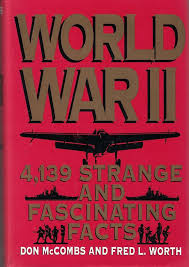
World War 2 remains one of the most significant events in global history, marking a turning point in international relations, military strategies, and societal changes. Lasting from 1939 to 1945, the conflict involved over 30 countries and led to millions of fatalities, reshaping borders and societies. Its relevance today can be seen in ongoing discussions about peace, security, and the implications of total war.
Key Events of World War 2
World War 2 was characterised by major events and turning points that defined the course of the war. The invasion of Poland by Germany in September 1939 sparked the conflict, leading to the rapid expansion of Axis powers. Key battles such as the Battle of Britain, the Siege of Stalingrad, and D-Day showcased strategic military engagements that would determine the war’s outcome.
The bombing of Pearl Harbor in December 1941 brought the United States fully into the conflict, significantly altering the war’s dynamics. Additionally, the Holocaust, one of the most horrific events in human history, underscored the war’s devastating impact on civilian populations. The use of atomic bombs on Hiroshima and Nagasaki in August 1945 not only led to Japan’s surrender but also set the stage for post-war nuclear diplomacy.
The Aftermath and Legacy
World War 2 resulted in profound changes to the world order. The establishment of the United Nations in 1945 aimed to foster international cooperation and prevent future conflicts. The war also led to the division of Europe into East and West during the Cold War, influencing global politics for decades.
Economically, many nations were left in ruins, while others, particularly the US, emerged as superpowers. The Marshall Plan, initiated in 1948, was essential for European recovery, demonstrating the financial commitments undertaken to restore war-torn nations.
Conclusion
The significance of World War 2 extends beyond its immediate outcomes; it has shaped modern society in a multitude of ways. Understanding these historical events is vital for comprehending current global relations and conflicts. As the world continues to grapple with issues of war, peace, and memory, the lessons learned from World War 2 remind us of the importance of diplomacy, cooperation, and the pursuit of a more peaceful world.