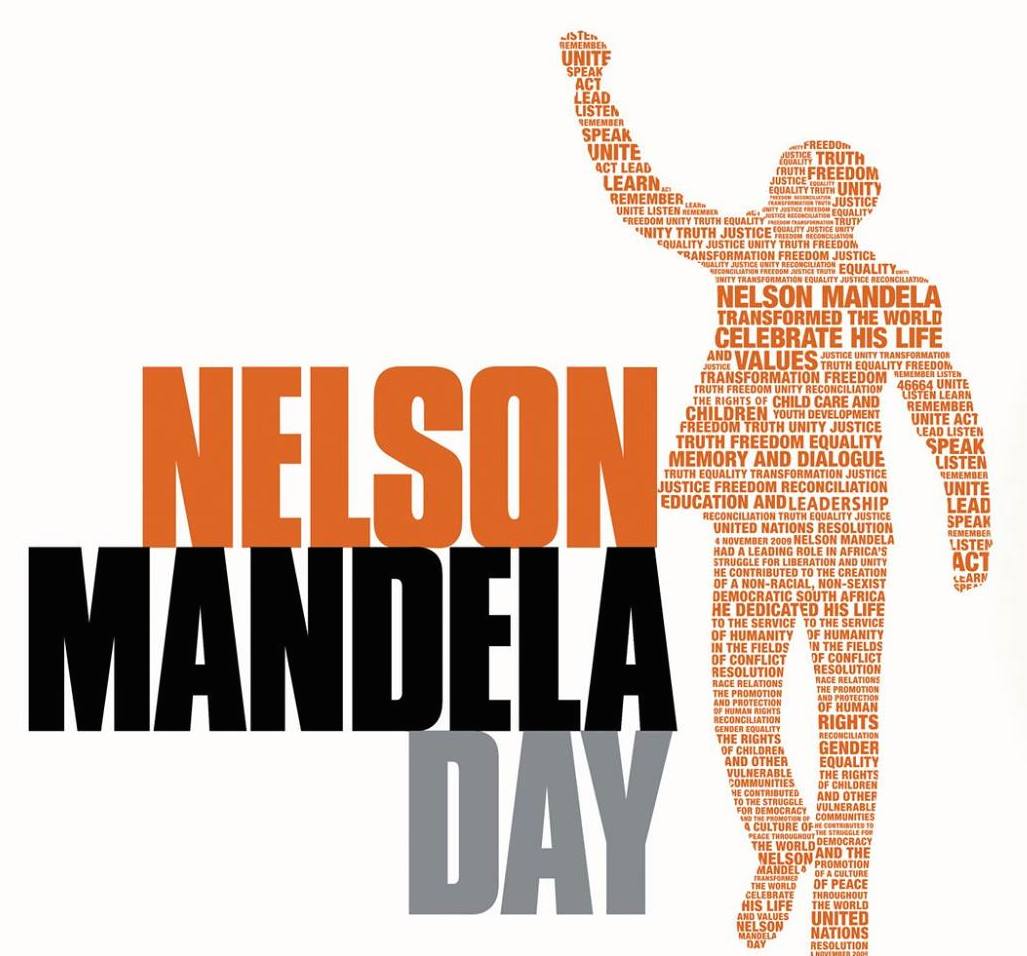
Introduction
Nelson Mandela remains an iconic figure in the fight for freedom and equality, not just in South Africa but across the globe. His life story, from a rural village to the presidency, encapsulates the struggle against apartheid and the pursuit of human rights. As the world commemorates the legacy of this renowned leader, it is important to reflect on his contributions to social justice and the ongoing relevance of his ideals in contemporary society.
Key Events in Mandela’s Life
Born on July 18, 1918, Mandela was raised in the small village of Mvezo. His early education and exposure to leadership roles within his community sparked a lifelong interest in social justice. In 1944, he joined the African National Congress (ANC), where he began advocating for the rights of black South Africans against the oppressive apartheid regime.
In 1962, Mandela was arrested for his anti-government activities and subsequently sentenced to life imprisonment in 1964. His 27 years behind bars became a symbol of resistance against injustice. The global campaign for his release grew throughout the 1980s, with global leaders and activists rallying for his freedom. Finally, in 1990, Mandela was released, heralding a new era in South Africa.
Presidency and Reconciliation Efforts
Mandela was elected as South Africa’s first black president in 1994, following the country’s first multiracial elections. His presidency focused on national reconciliation, attempting to bridge the gaps between the diverse ethnic groups in the country. The establishment of the Truth and Reconciliation Commission (TRC) aimed to address the human rights abuses of the past, fostering understanding and healing.
Significance Today
Mandela’s teachings and principles continue to inspire movements for social justice and equality worldwide. His emphasis on negotiation, forgiveness, and peace remains crucial in addressing contemporary issues such as racial inequality and human rights violations. As the world grapples with myriad challenges, Mandela’s vision of unity and his belief in the power of the human spirit serve as a guiding light.
Conclusion
Nelson Mandela’s legacy is not merely a chapter in history; it is a lasting influence that impacts social justice efforts globally. His life teaches the importance of resilience, empathy, and the endless pursuit of equality. As we reflect on his contributions, it is crucial to incorporate his values into our ongoing fight for justice, understanding that the spirit of Mandela lives on in every struggle for a fair and equitable world.