Introduction
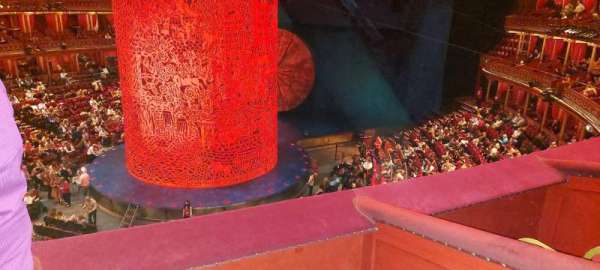
The Royal Albert Hall, located in London, is more than just a concert venue; it is a historic site that represents the vibrant cultural life of the city. Opened in 1871, it has become a symbol of British arts and entertainment. Known for its unique architecture and diverse programming, the Hall plays a vital role in promoting music, dance, and theatre, thereby maintaining its relevance in the modern cultural landscape.
A rich history
The Royal Albert Hall was commissioned by Prince Albert, the husband of Queen Victoria, and was inaugurated with a concert featuring the famous conductor Arthur Sullivan. The Hall was designed by architect Francis Fowke in a distinctive Italianate style, featuring a stunning glass and wrought iron roof. Over the years, it has hosted some of the most prestigious events, including the annual BBC Proms and performances by renowned artists and orchestras.
Current Events and Significance
In recent news, the Royal Albert Hall has been adapting to the challenges posed by the COVID-19 pandemic, implementing safety measures to ensure the health of both performers and audiences. It successfully resumed performances in 2021, boasting a diverse range of programming that includes concerts, film screenings with live orchestras, and educational workshops targeting younger audiences. The Hall has also embraced technology, streaming several performances online to reach a wider audience.
Future Endeavours
Looking ahead, the Royal Albert Hall plans to continue its commitment to community engagement and accessibility. This includes initiatives aimed at making the arts more inclusive for underrepresented groups. Additionally, the Hall intends to expand its digital offerings, allowing music lovers worldwide to experience the magic of live performances from one of the world’s most iconic venues. This alignment with contemporary needs reflects the Hall’s enduring legacy while securing its position as a leading cultural institution.
Conclusion
The Royal Albert Hall stands as a testament to the enduring power of music and culture in society. Its ability to adapt and thrive amid challenging times speaks to its significance in the arts landscape of the UK and beyond. As it continues to evolve, both the legacy and future of the Royal Albert Hall remain bright, ensuring its place as a beloved venue for generations to come.