Introduction
The ongoing conflict in Ukraine has brought to light the significant role of missile systems in modern warfare. As the war enters its second year, the use of advanced missile technology has become a pivotal factor in both offensive and defensive strategies. Keeping a finger on the pulse of this situation is crucial, as it affects regional security and international relations, with implications extending far beyond Ukraine’s borders.
Recent Developments in Missile Technology
Ukraine has significantly enhanced its missile capabilities over the past year, bolstered by support from Western allies. The provision of sophisticated systems such as the HIMARS (High Mobility Artillery Rocket System) by the United States has revolutionised Ukraine’s ability to strike strategic targets deep within occupied territories. Reports indicate that since the introduction of these systems, Ukrainian forces have successfully targeted Russian supply depots and military headquarters, disrupting logistics and supply lines.
Escalation of Missile Strikes
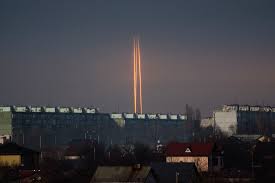
In response, Russian forces have also escalated their missile attacks. Recent weeks have seen a marked increase in airstrikes, with Russia using cruise missiles to hit key infrastructure across Ukraine, including energy facilities and residential areas. This has resulted in substantial civilian casualties and has drawn widespread condemnation from the international community. The escalation highlights a troubling cycle where advancements in missile technology lead to retaliatory aggression, raising the stakes in an already volatile environment.
International Reactions and Support
The international community continues to monitor the situation closely, with NATO member states expressing their commitment to assisting Ukraine in bolstering its missile defence systems. In a recent meeting, officials from various countries discussed the potential for increased military aid, including more advanced air defence systems, to protect against the growing missile threat posed by Russian forces. Moreover, discussions around sanctions aimed at Russian arms manufacturers have gained momentum as countries seek to curb Russia’s capacity to sustain its missile operations.
Conclusion
The growing prevalence of missile technology in the Ukraine conflict significantly impacts the war’s trajectory. As both Russia and Ukraine continue to invest in advanced missile systems, the likelihood of further escalation remains high. The importance of international support for Ukraine’s defensive capabilities cannot be overstated, as it not only affects the current conflict but also sets a precedent for future geopolitical challenges. For readers, understanding these developments is crucial, as they reflect broader trends in global security and the necessity of collaborative approaches to peace and stability in the region.