Introduction
Notre Dame de Paris, an iconic symbol of French culture and history, has been the focus of immense attention since the devastating fire on April 15, 2019. As one of the most visited monuments in France, it attracts millions of tourists annually, and its significance extends beyond its architectural beauty to its role as a spiritual and cultural beacon. The restoration of Notre Dame is not only vital for preserving its historical integrity but also for fostering a sense of community and hope as the world recovers from the impacts of the COVID-19 pandemic.
Restoration Efforts Post-Fire
The fire, which ravaged the cathedral, caused the roof to collapse and destroyed the spire, resulting in widespread despair. As restoration efforts commenced, experts realized the challenge ahead would be monumental. Following the fire, French President Emmanuel Macron pledged to restore Notre Dame by 2024, coinciding with the Paris Olympic Games. This promise has propelled fundraising efforts, with over €800 million raised from donations, including contributions from both private citizens and corporate entities.
In the initial phases, the focus has been on securing the structure and salvaging as much of the original materials as possible. Workers have been meticulously documenting each piece, and the use of modern technology, such as 3D scanning, has played an essential role in the restoration planning. Currently, stone masons, carpenters, and further artisans are engaged in reconstructing the intricate details that make Notre Dame unique.
Significance of Notre Dame
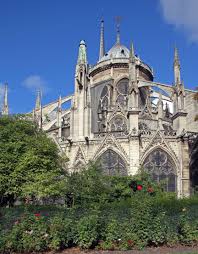
Notre Dame is not only a stunning example of Gothic architecture, but it also serves as a vital part of the French national identity. The cathedral has been a witness to significant historical events, including the coronation of Napoleon Bonaparte and various state ceremonies. Its continued presence, even after the recent tragedy, highlights the resilience of the human spirit against adversity.
Conclusion
As work on Notre Dame progresses, it stands as a symbol of hope and renewal. The restoration process is an opportunity to reflect on the importance of cultural heritage and the collective effort needed to preserve it for future generations. Looking ahead, the anticipated reopening of the cathedral should serve not only as a celebration of architectural triumph but as a reminder of community resilience in the face of catastrophe. The world watches as Notre Dame rises again, ready to inspire countless visitors with its storied past and vibrant future.