Introduction
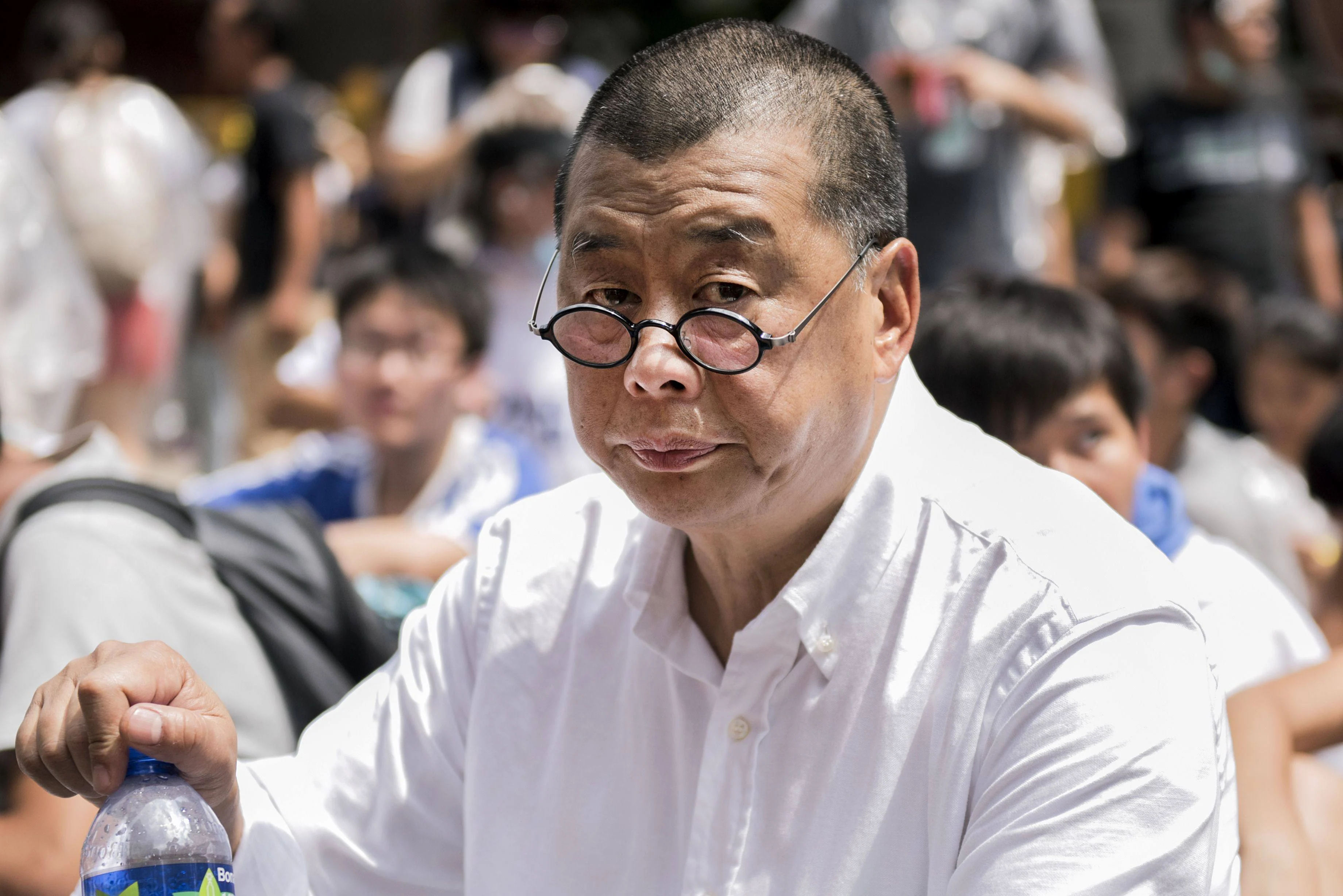
Jimmy Lai, a prominent pro-democracy activist and media tycoon, has become a symbol of resistance in Hong Kong amid increasing authoritarianism. His recent legal battles and imprisonment have drawn international attention, highlighting the shrinking space for dissent in the territory. Understanding Lai’s journey is vital in comprehending the broader fight for democracy and human rights in Hong Kong and beyond.
Background of Jimmy Lai
Born in 1947 in Guangdong, China, Lai fled to Hong Kong in 1960. He founded the media company Next Digital, which publishes the now-defunct pro-democracy newspaper Apple Daily. Lai has been known for his outspoken criticism of the Beijing government and his advocacy for democracy in Hong Kong.
Recent Developments
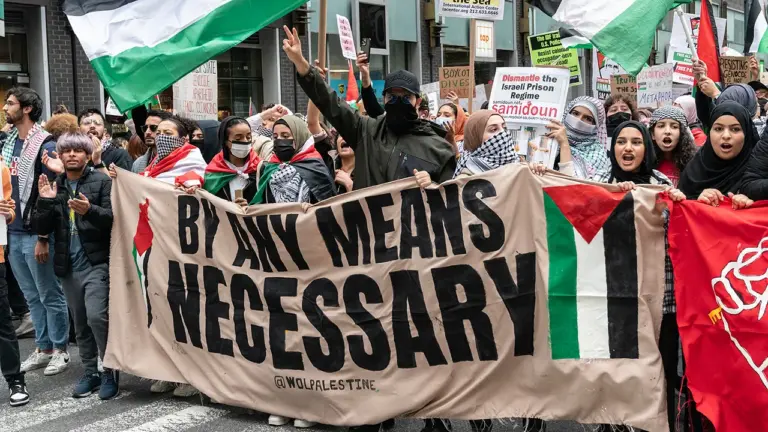
In 2020, Lai was arrested under the controversial National Security Law imposed by Beijing. His arrest sparked protests among supporters and condemnation from international human rights organisations. Since then, he has been incarcerated, facing charges that could lead to life imprisonment. Notably, Lai’s trial has been postponed multiple times, prompting concerns over the judicial process’s fairness.
International Reactions
Global leaders and human rights advocates have rallied behind Lai, condemning China’s repression in Hong Kong. The US State Department and the United Kingdom government have consistently called for his release, highlighting his case as a barometer of Hong Kong’s freedom. In 2023, theCanadian government announced sanctions against Chinese officials in response to growing concerns over human rights abuses.
Conclusion
Jimmy Lai’s situation is pivotal in understanding the struggle for democracy in Hong Kong. As nations continue to scrutinise Beijing’s actions, Lai’s plight remains a stark reminder of the dangers faced by those who stand against authoritarianism. The future of Hong Kong’s pro-democracy movement will likely hinge upon the outcomes of Lai’s legal battles and the global response to his ongoing repression.