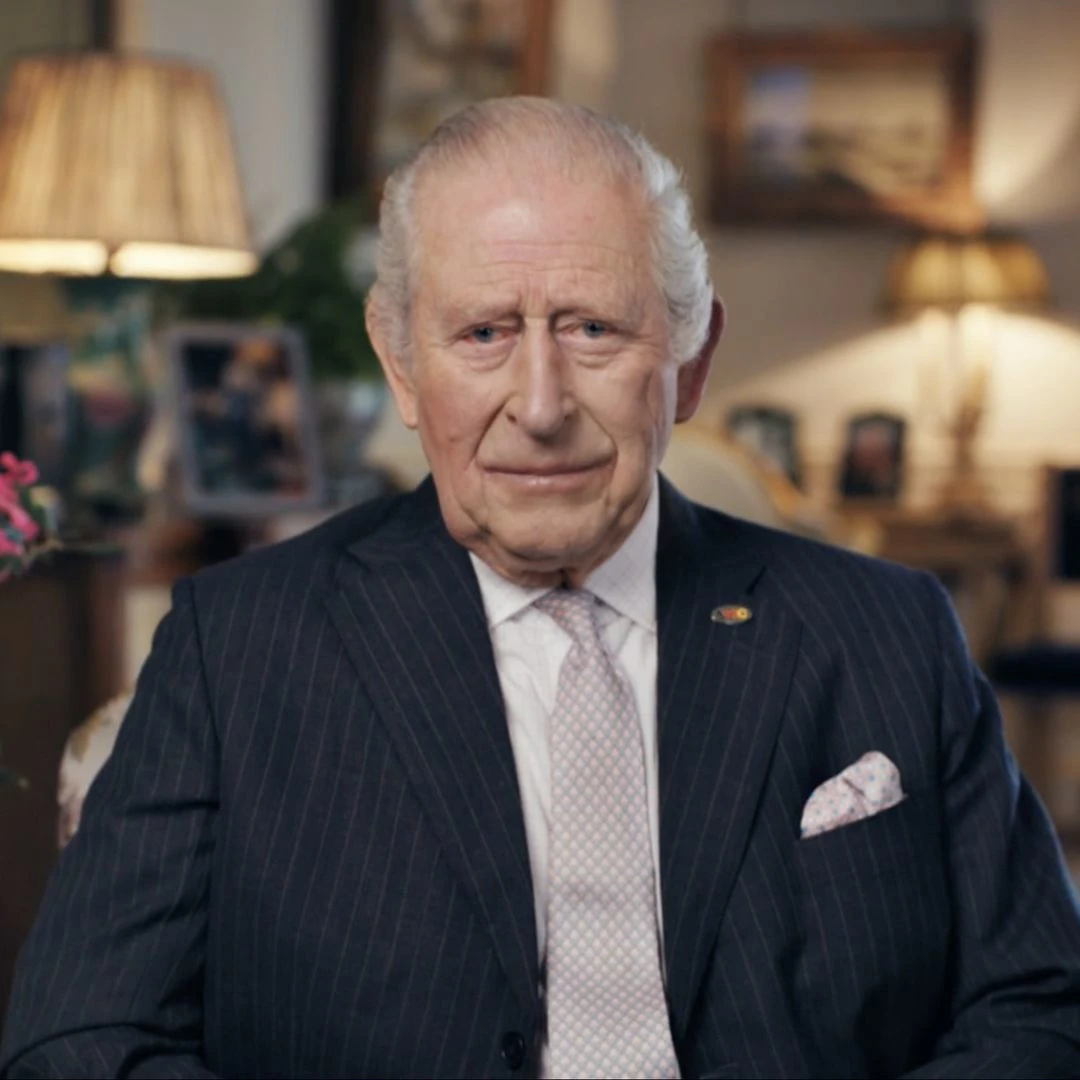
Introduction to King Charles
King Charles III, the eldest son of the late Queen Elizabeth II, ascended to the throne on September 8, 2022, following her death. His reign marks a significant chapter in the history of the British monarchy, symbolising continuity yet also change. The importance of King Charles lies not just in his title but in his vision for a modern monarchy that embraces both tradition and contemporary issues, such as climate change, charitable work, and social inclusion.
Recent Developments
Since his coronation, King Charles has continued to reinforce his commitment to various humanitarian causes. In a recent address, he reiterated his dedication to environmental sustainability, urging citizens to engage in practices that combat climate change. His longstanding interest in organic farming and conservation initiatives has set a precedent for royal involvement in ecological matters.
Additionally, the King has participated in numerous charitable events, including the annual ‘King’s Award for Voluntary Service’, highlighting the role of volunteers in local communities. This program aims to support and uplift the efforts of individuals and organisations that contribute to society, reflecting a modern approach to leadership within the monarchy.
Public Reception and Future Prospects
The reception of King Charles by the public has been largely positive, especially among younger demographics who appreciate his focus on contemporary issues. Surveys conducted by various organisations show a growing approval rating for the monarch, with many viewing him as relatable and approachable. His efforts to engage with diverse communities and champion social justice have resonated well, indicating a shift toward inclusivity in royal engagements.
Conclusion
As King Charles navigates the complexities of his reign, the implications of his leadership style and initiatives could redefine the British monarchy for generations to come. Observers predict that his focus on transparency, engagement with the public, and advocacy for pressing global issues will not only enhance his popularity but also strengthen the relevance of the monarchy in a rapidly evolving society. The significance of King Charles, therefore, extends beyond his royal duties, representing a progressive change that could rejuvenate public interest and support for the monarchy.