Introduction
Anglesey, the largest island in Wales, is renowned for its stunning natural beauty, rich cultural heritage, and diverse wildlife. Situated off the north-west coast of Wales, this enchanting island draws visitors from across the globe, eager to explore its breathtaking landscapes, historical sites, and vibrant communities. With its picturesque coastal paths, ancient ruins, and opportunities for outdoor adventure, Anglesey holds significant relevance in the context of UK tourism and regional identity.
Landscape and Attractions
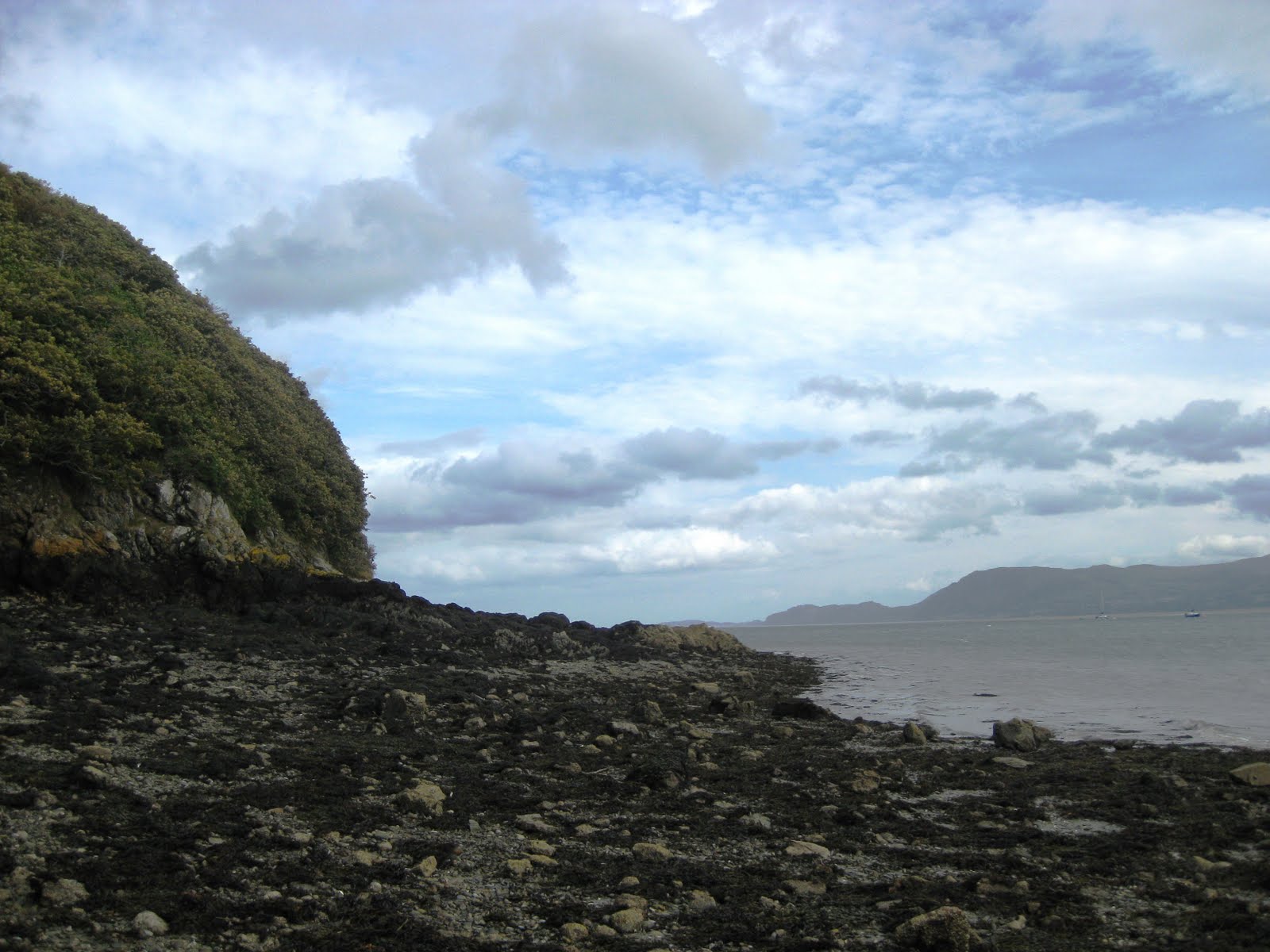
Geographically, Anglesey offers a striking blend of sandy beaches, rugged cliffs, and tranquil countryside. The island is home to several areas of outstanding natural beauty, including the iconic South Stack lighthouse and Holyhead Mountain. With over 125 miles of coastline, it has been designated as an Area of Outstanding Natural Beauty (AONB). The beaches, such as Trearddur Bay and Llanddwyn Island, provide picturesque spots for relaxation and water sports, attracting families and adventure seekers alike.
Cultural Significance
Besides its natural wonders, Anglesey is steeped in history and culture. The island boasts numerous archaeological sites, such as the ancient burial mound of Barclodiad y Gawres and the Neolithic site at Llyn Cerrig Bach, showcasing its rich prehistoric past. Additionally, the town of Beaumaris, with its well-preserved castle and Victorian pier, highlights its historical significance and architectural heritage. Anglesey also offers a vibrant cultural scene, with local festivals celebrating Welsh music, food, and customs, particularly the annual Anglesey Food Festival.
Recent Developments and Future Prospects
In recent developments, Anglesey is focusing on sustainable tourism and conservation efforts to protect its unique environment while promoting local businesses. The Anglesey Coastal Path, which was completed in 2012, continues to gain popularity, encouraging walking and cycling as eco-friendly modes of experiencing the island. Moreover, discussions surrounding the potential for renewable energy projects, such as offshore wind farms, signal a shift towards a greener future, supporting both the local economy and environmental sustainability.
Conclusion
In conclusion, Anglesey represents a unique fusion of natural beauty, rich history, and vibrant culture, making it an essential destination for both locals and tourists. As the island continues to invest in its tourism infrastructure and sustainable practices, it is poised to remain a key player in the UK’s tourism landscape. Prospective visitors can expect not only to enjoy the scenic views and historical sites but also to engage with a community dedicated to preserving its heritage and environment for generations to come.