Introduction
The rivalry between Qatar and the United Arab Emirates (UAE) has recently intensified, becoming a focal point in regional geopolitics and sports. With both nations being key players in the Gulf Cooperation Council (GCC), their differences have broader implications for diplomatic relations within the region. Understanding the current dynamics of this rivalry is crucial for grasping the evolving landscape in the Middle East.
Political Tensions
In recent years, the political tensions between Qatar and the UAE have escalated notably. This was particularly highlighted during the GCC crisis in 2017 when Qatar faced a blockade initiated by the UAE, Saudi Arabia, Bahrain, and Egypt, which accused Qatar of supporting terrorism and undermining regional stability. Although the blockade was lifted in early 2021, underlying issues remain unresolved.
In 2023, relations took a further hit over disagreements concerning foreign policy and diplomatic alignments. Qatar’s close ties with Turkey and Iran continue to raise concerns from the UAE, which has maintained a very different stance in the regional equation. The ongoing situation has prompted various discussions among regional and international powers on how best to mediate and support reconciliation efforts.
Sports Rivalry
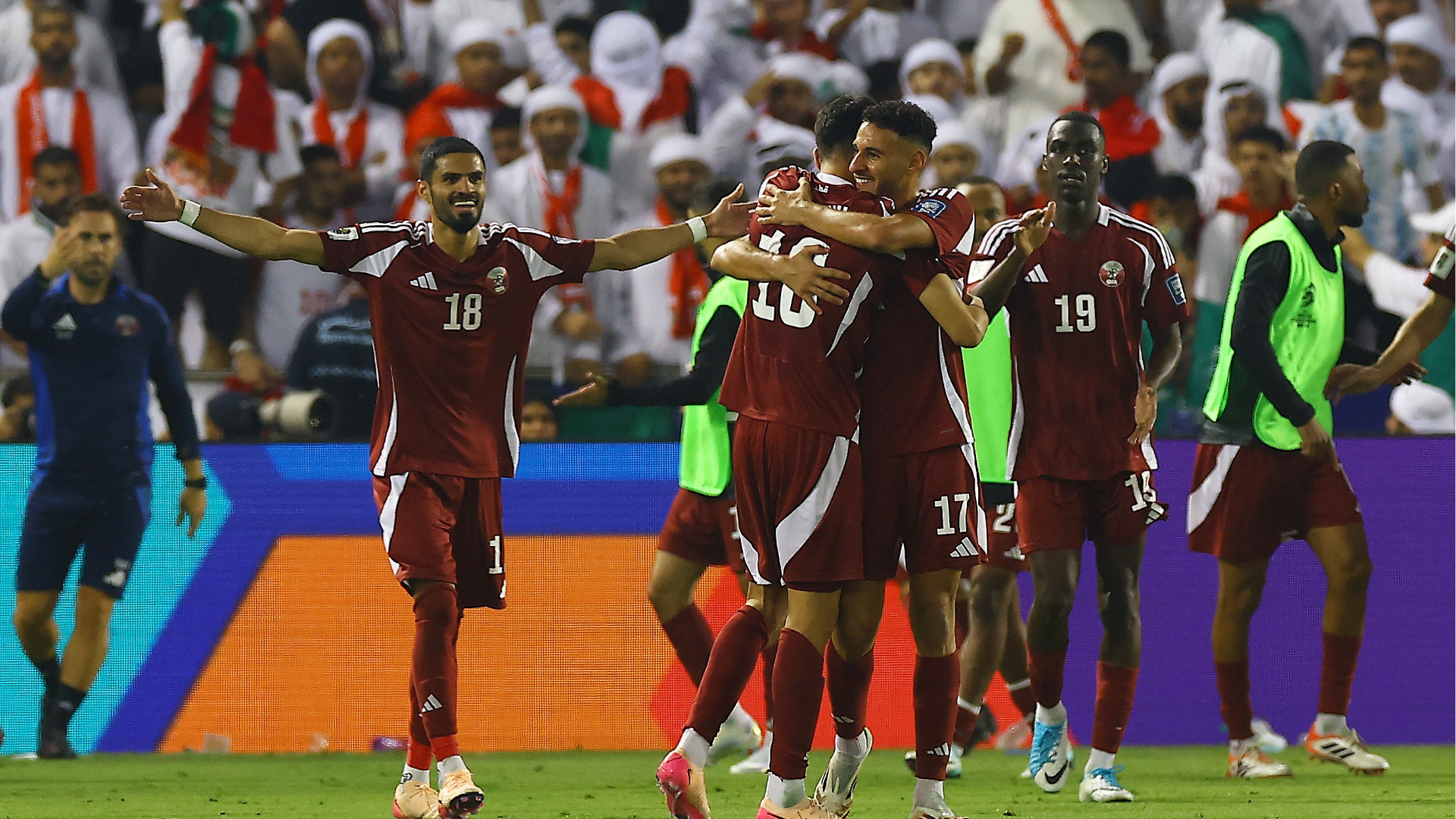
Aside from political tensions, the Qatar vs UAE rivalry is also manifested in the realm of sports, particularly football. The national teams have faced off multiple times in various tournaments, leading to passionate encounters among fans and players alike. The UAE’s national team recently qualified for the AFC Asian Cup 2023, while Qatar, as hosts, aims to showcase its growing prowess on the football stage.
The sports interactions between the two nations reflect both competitiveness and camaraderie, providing an avenue for softer diplomacy. The upcoming matches are highly anticipated, as they could either aggravate tensions or pave the way for a more robust dialogue.
Conclusion
The ongoing Qatar vs United Arab Emirates rivalry highlights significant political and sports dimensions in the Middle East. As both nations navigate their complex relationship, the outcomes will have lasting repercussions for regional dynamics and unity within the GCC. Observers anticipate that finding common ground will not only alleviate ongoing tensions but also foster cooperation for collective regional stability. The implications extend beyond mere rivalry, suggesting that diplomatic dialogues facilitated through sports could serve as a potential pathway to reconciliation.