Introduction
Reynisfjara Beach, located on the southern coast of Iceland, is renowned for its striking black sand and dramatic basalt columns. These natural features make it not only a popular tourist destination but also a vital part of Iceland’s geological landscape. Understanding the significance of Reynisfjara Beach is crucial for appreciating Iceland’s unique natural beauty and the environmental challenges it faces.
The Unique Features of Reynisfjara Beach
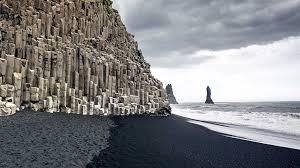
One of the most notable features of Reynisfjara Beach is its black volcanic sand, which is a product of the region’s volcanic activity. The beach is framed by stunning basalt columns, said to have been formed by the cooling of lava. Additionally, the Reynisdrangar sea stacks rise dramatically from the ocean just offshore, creating a picturesque silhouette against the skyline. These unique geological formations have made Reynisfjara a site of interest for both tourists and geologists alike.
Recent Events and Tourism
In recent years, Reynisfjara Beach has seen a surge in tourism, with the Icelandic Tourist Board reporting an increase in visitor numbers annually. However, this rise in popularity has brought about challenges in managing the impact on the environment. Visitors are advised to respect the safety guidelines, as strong currents and waves present risks. The local government, in collaboration with tourism agencies, is working on initiatives to promote responsible tourism and educate visitors about the natural environment.
Environmental Concerns and Conservation Efforts
As tourist numbers continue to rise, so do concerns about the preservation of Reynisfjara’s natural beauty. Environmentalists warn that increased foot traffic can result in erosion and damage to local wildlife habitats. Conservation efforts are being implemented to protect this stunning beach, including restricted access to sensitive areas and educational programmes to inform visitors about sustainable practices. These efforts aim to ensure that Reynisfjara Beach remains a cherished destination for generations to come.
Conclusion
Reynisfjara Beach is more than just a striking tourist spot; it is a crucial part of Iceland’s natural heritage. With its unique features and breathtaking scenery, it continues to draw visitors from around the world. However, it is imperative for those who visit to be mindful of their impact on the environment. Through continued conservation efforts and responsible tourism, the extraordinary beauty of Reynisfjara Beach can be preserved, allowing future generations to appreciate its grandeur. As global attention shifts towards protecting iconic landscapes, Reynisfjara will remain an important case study in the balance between tourism and environmental stewardship.