Introduction
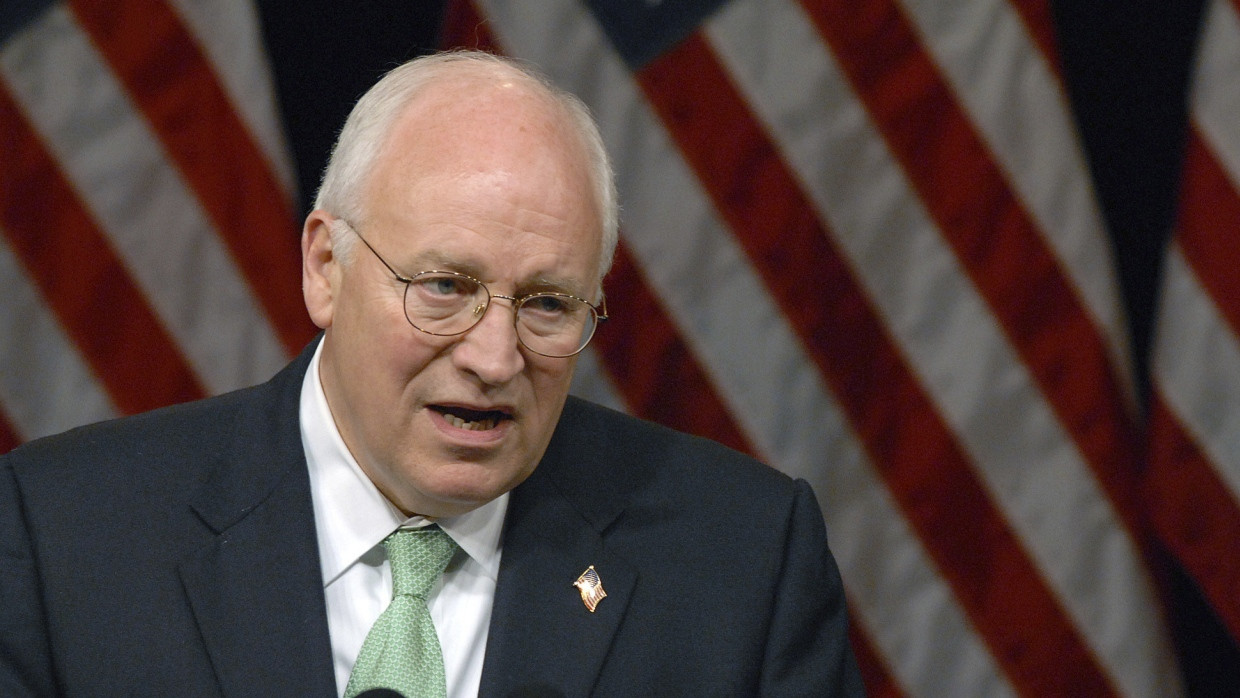
Dick Cheney, the 46th Vice President of the United States, remains one of the most influential and controversial figures in American politics. His tenure from 2001 to 2009 under President George W. Bush coincided with significant national and global events, particularly the September 11 attacks and the ensuing wars in Afghanistan and Iraq. Understanding Cheney’s political legacy is crucial as it continues to shape discourse on foreign policy, national security, and the role of executive power in the United States.
Political Career Overview
Before his vice presidency, Cheney had an extensive political career. He served as White House Chief of Staff under President Gerald Ford, a Congressman from Wyoming, and Secretary of Defense under George H.W. Bush. His experience laid the groundwork for his influential role in the Bush administration, where he oversaw critical decisions related to the War on Terror and U.S. military operations abroad.
Cheney and the War on Terror
After the September 11 attacks, Cheney was a key architect of the U.S. response. His advocacy for military action in Afghanistan to dismantle al-Qaeda and his push for the Iraq War were defining moments of his vice presidency. Cheney’s position on pre-emptive strikes and the justification of the Iraq invasion based on the alleged possession of weapons of mass destruction has been widely debated. Critics argue that his hawkish stance led to prolonged conflict and instability in the Middle East, impacting U.S. foreign relations for years to come.
Controversies and Criticism
Cheney’s approach to national security policies, including controversial practices such as enhanced interrogation techniques, has faced significant scrutiny. Many human rights advocates regard these methods as torture, which has sparked ongoing discussions regarding ethics in warfare and governance. Additionally, his connections to Halliburton, an oil and energy company, during the Iraq War raised concerns about conflicts of interest and corporate influence in politics.
Conclusion
As one of the most polarizing figures in recent U.S. history, Dick Cheney’s legacy is a complex tapestry woven with achievements and controversies. His influence can be seen in contemporary debates about presidential powers, military intervention, and national security. As America continues to navigate these critical issues, understanding Cheney’s role offers valuable insight into the challenges of modern governance and the lessons learned from past decisions. Future discourse will likely continue to analyze and critique his policies, shaping the narrative of his historical impact for generations to come.