Introduction
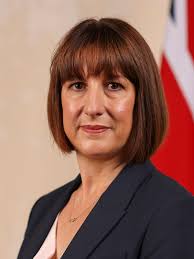
Rachel Reeves has become one of the prominent figures in British politics, particularly known for her role within the Labour Party. As the party’s Shadow Chancellor of the Exchequer, her work is crucial to the party’s economic strategies and policies. In a time of heightened economic challenges, the significance of her position and decisions resonates strongly within the electorate. This article aims to provide an overview of Reeves’ political journey, her influence, and the potential implications of her leadership on the UK economy.
Early Life and Education
After being born in Lewisham, London, in 1979, Rachel Reeves was raised in a politically active family. Her interest in politics was further strengthened during her time at the University of Cambridge, where she studied economics and politics. Her academic achievements led her to a career in banking and then to the Civil Service, providing her with a strong foundation for her future political endeavours.
Political Career
Reeves entered politics in 2010 as the Member of Parliament for Leeds West. Initially serving in various roles, including as Shadow Minister for Pensions and Shadow Chief Secretary to the Treasury, she was appointed Shadow Chancellor in 2020. Her ascension to this pivotal role marked her as one of the leading voices on economic issues within the Labour Party.
Since her appointment, Reeves has focused on scrutinising the government’s economic policies, advocating for increased investment in public services, and addressing the cost-of-living crisis that has gripped the nation. She has positioned the Labour Party as a credible alternative to the Conservatives, especially amidst the current economic instability following Brexit and the ongoing effects of the global pandemic.
Recent Developments
As of late 2023, Rachel Reeves has announced new economic initiatives aimed at rejuvenating the UK economy and supporting workers affected by financial strains. Her proposals include a comprehensive review of tax policies and a greater focus on green jobs, aiming to create sustainable employment opportunities for the future.
Conclusion
Rachel Reeves stands at a pivotal point in her career, with her leadership expected to shape the future direction of the Labour Party and the UK’s economic landscape. As she continues to navigate the complexities of domestic policy, her actions will be closely monitored by both supporters and critics alike. With challenges ahead, including economic recovery and impending elections, Reeves’ impact on British politics will certainly be significant in the months to come.