Introduction
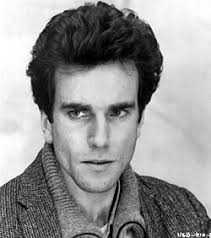
Daniel Day-Lewis is one of the most acclaimed actors of his generation, revered not only for his extraordinary talent but also for his intense approach to acting. As a three-time Academy Award winner for Best Actor, he has imprinted his name in the annals of film history. This article delves into the significance of his contributions to cinema, his unique acting methodology, and his influence on aspiring actors worldwide.
Early Life and Career
Born on April 29, 1957, in London, England, Day-Lewis grew up in a family that had a deep appreciation for the arts. He trained at the Bristol Old Vic Theatre School before making his film debut with a role in ‘Sunday Bloody Sunday’ (1971). His early career showcased his versatility, but it was his later works that would define him as a transformative actor.
Immersive Acting Techniques
Day-Lewis is famous for his method acting, where he immerses himself entirely into his roles. He famously prepared for his role in ‘My Left Foot’ (1989) by learning to paint with his toes, and for ‘There Will Be Blood’ (2007), he spent months studying the life of oil drillers in the late 19th century. This level of commitment not only earns him critical acclaim but also creates a palpable authenticity in his performances.
Major Achievements
Over his career, Day-Lewis has garnered multiple accolades, including Academy Awards for his performances in ‘My Left Foot,’ ‘There Will Be Blood,’ and ‘Lincoln’ (2012). His ability to portray complex characters has won him admiration from critics and audiences alike. Additionally, he was awarded the Screen Actors Guild Award and the BAFTA Award multiple times, reflecting his standing within the film industry.
Retirement and Legacy
In 2017, Day-Lewis announced his retirement from acting following the release of ‘Phantom Thread,’ stating that he was stepping away from a profession he had devoted himself to for decades. His decision sent ripples through the film industry, and many speculate on the legacy he leaves behind. His dedication to authenticity and the craft of acting has inspired countless actors, while his unique projects have pushed the boundaries of storytelling in cinema.
Conclusion
Daniel Day-Lewis’s contributions to the film industry are profound and enduring. His methodology and iconic performances have raised the bar for what it means to be an actor. As audiences continue to enjoy his films, his legacy will undoubtedly inspire future generations to approach acting with the same level of dedication and passion that he exemplified. For those who appreciate cinema, Day-Lewis stands as a legendary figure whose work transcends the screen, becoming a part of cultural consciousness.