Introduction
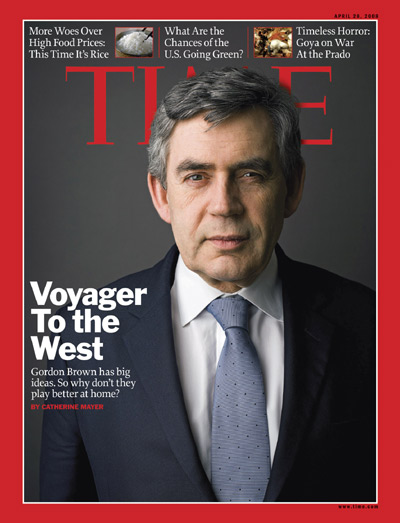
The significance of Gordon Brown in British politics cannot be overstated. Serving as Prime Minister from 2007 to 2010, Brown’s tenure was marked by a range of significant events, including the global financial crisis. His leadership during this turbulent period has left a lasting impact on economic policy and the Labour Party, making an exploration of his career particularly relevant in today’s political climate.
Early Life and Political Career
Gordon Brown was born on February 20, 1951, in Giffnock, Scotland. He studied at the University of Edinburgh, where he earned a degree in History, before pursuing a career in politics. Brown was elected as the Member of Parliament for Dunfermline East in 1983, quickly establishing himself within the Labour Party. His experience in the shadow cabinet, particularly as Shadow Chancellor, set the stage for his future leadership roles.
Prime Ministership
Following Tony Blair’s resignation in 2007, Brown ascended to the role of Prime Minister. His time in office saw a mixture of accomplishments and challenges. Brown is often credited with taking significant steps to stabilise the British economy during the 2008 financial crisis, introducing measures such as the bank recapitalisation plan. His government also focused on social issues, including education and healthcare reforms.
Controversies and Challenges
Despite his attempts at economic management, Brown faced significant challenges during his premiership, including criticism for handling the economic downturn and public services. His leadership style, often described as pragmatic yet overly cautious, drew mixed reactions. The Labour Party suffered losses in the 2010 general election, leading to Brown’s resignation as party leader.
Post-Premiership Activities
Since leaving office, Brown has remained active in both UK and global politics. He has been a vocal advocate for issues such as global health and education, particularly in developing countries. Brown’s involvement with various charities and international organisations has solidified his reputation as a leader concerned with global issues beyond the UK.
Conclusion
Gordon Brown’s political legacy is complex, shaping both the Labour Party and national policy during one of the most challenging periods in recent history. His approach to economic crisis management continues to be studied and debated, making his insights invaluable for current and future leaders. As political landscapes evolve, understanding the lessons from Brown’s leadership may play a crucial role in guiding UK policy and governance strategies moving forward.