Introduction
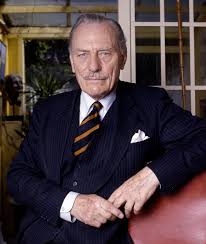
Enoch Powell, a British politician and member of Parliament, is notable for his fervent speeches and controversial views regarding immigration and national identity. His ideology, particularly articulated in his infamous ‘Rivers of Blood’ speech in 1968, continues to resonate in discussions about race and politics in the UK today. Understanding Powell’s influence can provide insight into contemporary debates regarding immigration, multiculturalism, and political rhetoric.
Career and Key Events
Born on June 16, 1912, in Birmingham, Powell was educated at Trinity College, Cambridge. His political journey began in the early 1950s, where he was known for his articulate approach and strong convictions. He became the Conservative MP for Wolverhampton South West in 1950 and quickly established himself as a key figure within the party.
Powell’s ‘Rivers of Blood’ speech, delivered amid rising tensions surrounding immigration, outlined his concerns that the influx of immigrants would lead to societal disintegration. The speech sparked outrage and garnered both fierce criticism and strong support, culminating in his dismissal from the Conservative front bench. Despite this, Powell remained a prominent figure, continuing to influence debates on immigration and British identity throughout the 1970s and beyond.
Public Perception and Controversy
Enoch Powell’s legacy is fraught with controversy. Some admire his courage to speak out against immigration policies, believing he highlighted genuine concerns of the time. However, many critics label him as a racist, arguing that his rhetoric incited fear and division. These divergent views illustrate the complexity of Powell’s impact on British society.
In recent years, as issues of race and national identity have resurfaced in the political landscape, Powell’s speeches have gained renewed interest, appearing frequently in discussions related to Brexit, nationalism, and societal cohesion. His ideas remain polarising, stirring vigorous debates on how Britain should approach immigration and integration.
Conclusion
The figure of Enoch Powell continues to evoke strong opinions more than five decades after his most famous speech. His life encapsulates the struggle between traditional views of British identity and the realities of an increasingly multicultural society. As Britain faces ongoing challenges related to immigration, understanding Powell’s perspectives and their historical context might prove pivotal for future discussions. Ultimately, Powell’s story serves as a reminder of the complexity surrounding political discourse, identity, and the socio-political fabric of the nation.