Introduction
The New York Times Wordle has taken the internet by storm since its inception in October 2021. With millions of players around the globe, this simple yet captivating daily word puzzle has created a unique blend of community and competition. Wordle’s easy accessibility and engaging format have made it a staple for those seeking a fun challenge to start their day.
The Game Mechanics
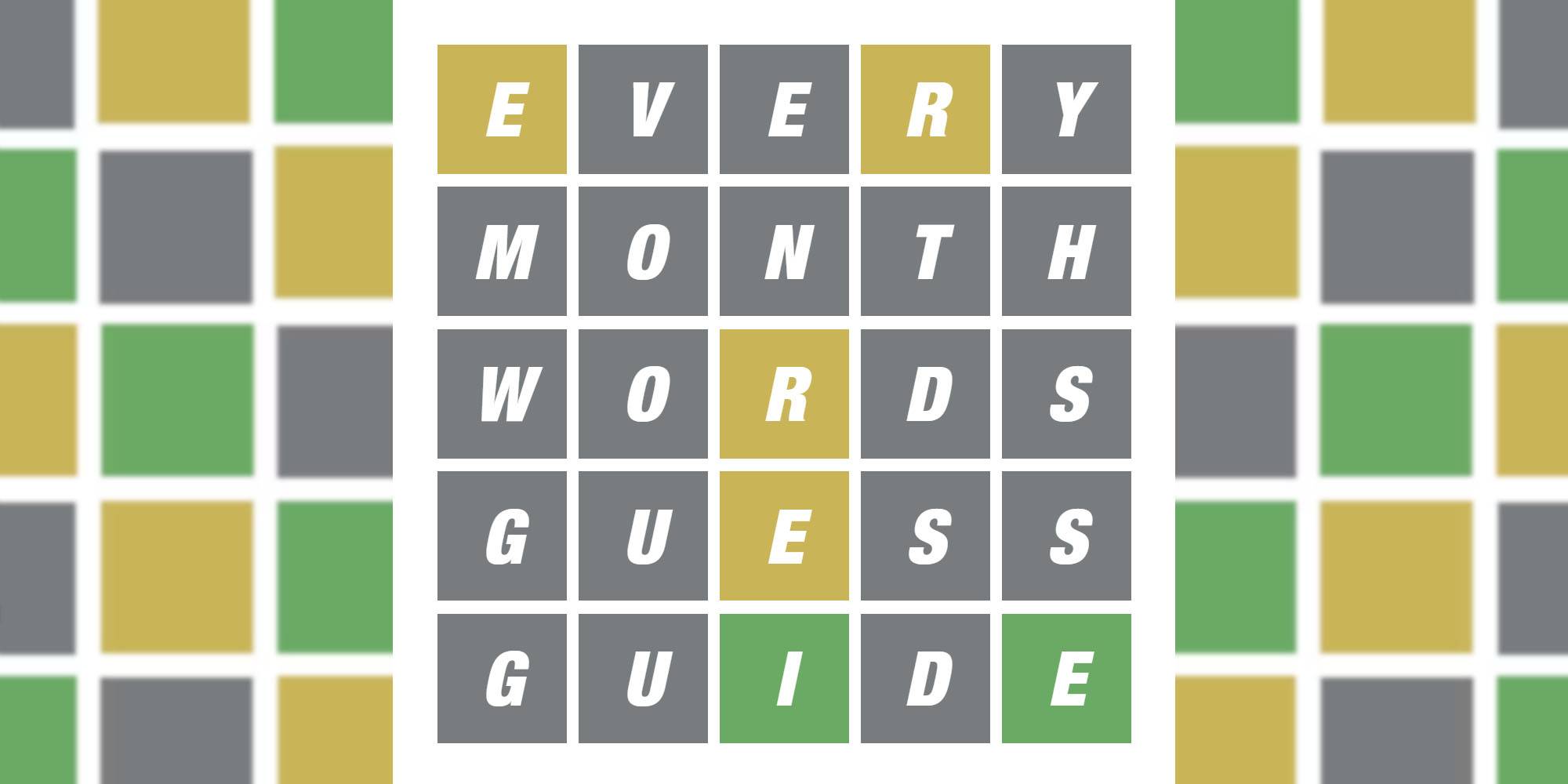
Wordle presents players with a single five-letter word each day. Gamers have six attempts to guess the word, receiving feedback after each guess in the form of coloured tiles. A letter that is in the correct position is highlighted in green, one that is in the word but in the wrong position turns yellow, and letters that are not in the word at all are marked in grey. This straightforward design allows for strategic guessing while maintaining a level of challenge.
Popularity Surge
After being acquired by The New York Times in January 2022, Wordle witnessed a surge in popularity that reached unprecedented levels. The game attracted a community of dedicated players who would often share their results on social media platforms, such as Twitter and Instagram, fostering a sense of camaraderie and competition among friends and family. In an era dominated by fast-paced gaming and instant gratification, Wordle’s slower, thoughtful approach to puzzle-solving has resonated with users.
Daily Engagement and Community
The communal aspect of Wordle is one of the key elements contributing to its continued success. Players enjoy comparing their scores and solving strategies with others, leading to discussions about language, word choices, and even grammar. The game’s design encourages players to return each day, all joining in a collective experience while waiting for the next puzzle to be released. This engagement is bolstered by various spin-offs and adaptations that have emerged, further solidifying Wordle’s position as a cultural phenomenon.
Conclusion
As Wordle continues to evolve and captivate a global audience, its significance as more than just a game becomes apparent. It represents a moment of mindfulness, a shared experience, and a playful challenge that allows everyday people to engage with language and each other. With its ongoing influence, Wordle may well redefine what it means to play games in a digitally connected age. The demand for inclusive and simple entertainment remains high, and Wordle stands as a testament to the joy of everyday puzzles in our lives.