Introduction
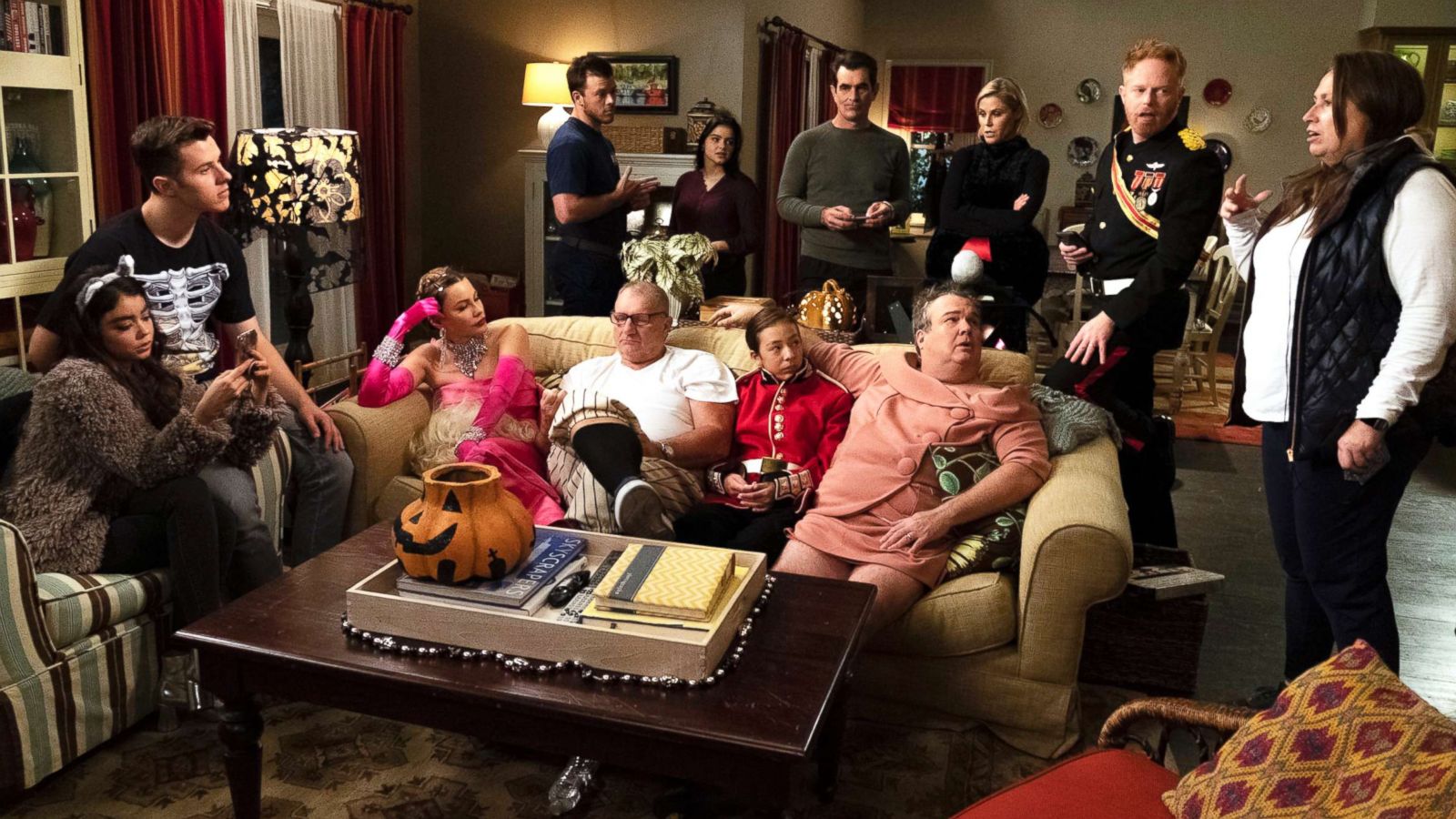
Modern Family, the groundbreaking sitcom that aired from 2009 to 2020, transformed the landscape of family-oriented television. By presenting a diverse array of family structures, it not only entertained audiences but also challenged societal norms regarding marriage and parenting. Its importance cannot be overstated, as it tackled issues like same-sex relationships, multiculturalism, and blended families with humour and empathy, making it relevant to a broad audience.
Overview of Modern Family
Created by Christopher Lloyd and Steven Levitan, Modern Family follows the lives of Jay Pritchett and his diverse family, including his second wife Gloria and her son Manny, as well as his two children, Claire and Mitchell, and their respective families. Over its eleven-season run, the show won numerous awards, including 5 Primetime Emmy Awards for Outstanding Comedy Series. The cast, featuring notable actors such as Ed O’Neill, Sofía Vergara, and Ty Burrell, became household names as viewers became invested in their relatable, quirky lives.
Significant Themes and Cultural Commentary
One of the standout aspects of Modern Family was its ability to address pressing social issues without losing comedic value. The depiction of Mitchell and Cameron, a gay couple raising their daughter Lily, was a significant milestone for representation in media. Their storylines provided visibility for LGBTQ+ families, helping to normalise diverse family arrangements in the eyes of the public.
The show also highlighted cultural differences through Gloria and her Colombian heritage, offering humour and insight that entertained while educating its audience. Episode plots tackled everything from parenting challenges to the complexities of family dynamics, resonating with viewers across different backgrounds.
Conclusion
The legacy of Modern Family continues to influence contemporary sitcoms and provoke discussions around modern familial structures. It laid the groundwork for future shows to explore diverse narratives and challenged traditional concepts of family in ways that were both entertaining and enlightening. As television evolves, the impact of Modern Family will likely persist, serving as a benchmark for representational storytelling. Its ability to blend humour with poignant social commentary ensures that its re-runs and cultural discussions will endure for years to come.