Introduction
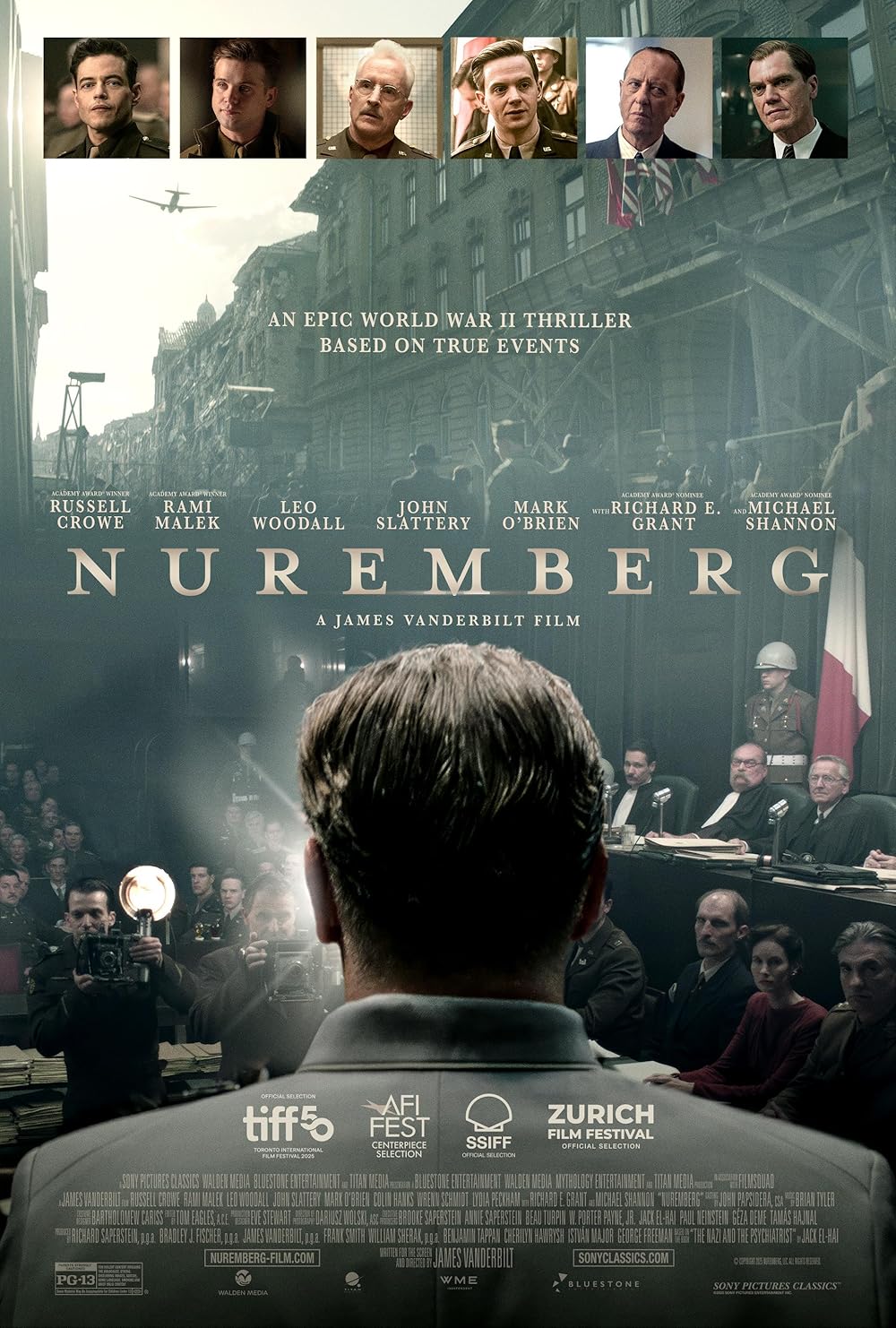
The Nuremberg movie, officially known as the “Nuremberg Trials” documentary, holds critical importance in understanding the aftermath of World War II and the establishment of international law. Released in the context of the post-war era, this cinematic recounting of the trials against Nazi war criminals not only serves as a historical ledger but also presents ethical questions that remain relevant in today’s global society.
Historical Significance
The Nuremberg Trials, which took place between 1945 and 1946, were pivotal in showcasing the horrors of the Holocaust and other war crimes committed during WWII. The trials brought to justice high-ranking military officials and political leaders, establishing precedents for how the international community could address war crimes. The Nuremberg movie meticulously documents these proceedings, featuring testimonials, courtroom scenes, and archival footage that provide a raw account of the trials.
This film is particularly important today as it highlights the legal principle that individuals, including heads of state, can be held accountable for crimes against humanity. In a time when global discord remains prevalent, the lessons from Nuremberg resonate strongly as nations grapple with human rights violations and seek justice for mass atrocities.
Recent Discussions and Relevance
In recent months, there has been a resurgence of interest in the Nuremberg movie, as various media platforms and educational institutions have leveraged it to engage in discussions about war crimes in contemporary contexts. The ongoing conflict in Ukraine and increasing global tensions have prompted scholars and activists to draw parallels between historical events depicted in the film and present-day situations.
Moreover, the film provides an essential framework for understanding international human rights law. Legal scholars and practitioners often reference the Nuremberg principles in discussions about accountability mechanisms and the role of international tribunals in modern conflicts.
Conclusion
The Nuremberg movie stands as a vital educational tool that informs audiences about the significance of the Nuremberg Trials and the ongoing relevance of their outcomes. By revisiting this important historical documentation, we are reminded of the need for vigilance against injustice and the imperative of holding individuals accountable for their actions in times of war. As we continue to navigate a complex world, the Nuremberg movie serves as both a historical reflection and a guide for the path forward in international law and human rights advocacy.