Introduction
Wuthering Heights, the classic novel by Emily Brontë, has been a staple of literary study since its publication in 1847. Its dark romantic themes and complex characters have inspired numerous adaptations, particularly in film. As audiences continue to seek innovative interpretations of classic literature, the various film adaptations of Wuthering Heights remain relevant and significant in today’s cinematic landscape.
Notable Film Adaptations
The first film adaptation of Wuthering Heights was released in 1939, directed by William Wyler and featuring Laurence Olivier and Merle Oberon in the lead roles. This version is perhaps one of the most celebrated among critics for its lush cinematography and powerful performances, effectively bringing the tumultuous love story of Heathcliff and Catherine to life.
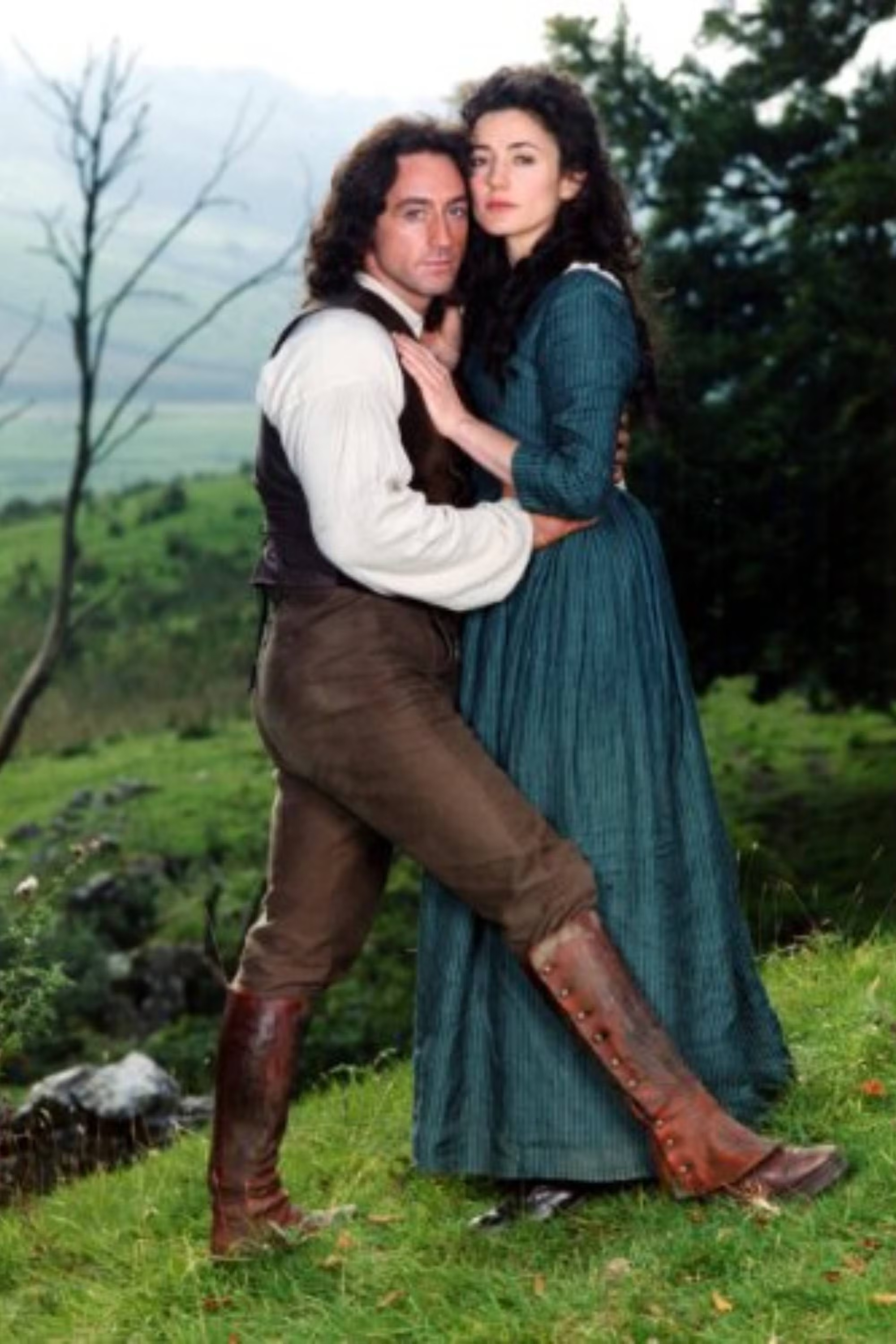
Since then, several adaptations have emerged, including the 1992 version directed by Peter Kosminsky, which offered a more authentic portrayal of Brontë’s characters and the harsh Yorkshire moors. This adaptation, featuring Ralph Fiennes and Juliette Binoche, focused on the raw emotionality of the source material.
In 2011, Andrea Arnold directed a notable interpretation that aimed to present a grittier and more visceral depiction of the story. Arnold’s version featured a more realistic approach, showcasing the harsh conditions and environment that shaped the characters, with Kaya Scodelario and James Howson in leading roles. Critics praised this adaptation for its aesthetic cohesion and fresh perspective on Brontë’s work.
Recent Interpretations and Impact
More recently, the COVID-19 pandemic has led to a resurgence in the popularity of classic literature adaptations, including Wuthering Heights. Film festivals and streaming services have offered new opportunities for filmmakers to present reimagined versions of this timeless story. The accessibility of these adaptations has allowed for broader discussions around themes such as isolation, passion, and societal constraints that remain prevalent today.
Conclusion
The various film adaptations of Wuthering Heights not only highlight the novel’s enduring appeal but also showcase the evolution of cinematic storytelling. As filmmakers continue to re-examine this literary classic, audiences can expect fresh interpretations that resonate with contemporary societal themes. The significance of Wuthering Heights in film reflects its timeless exploration of human emotion and the complexities of love, making it an essential part of both literary and cinematic history.