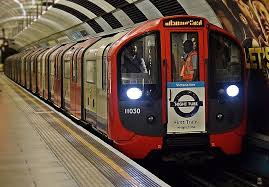
Introduction to the London Underground
The London Underground, often referred to as ‘the Tube,’ is one of the oldest and most extensive metro systems in the world. Serving as a critical component of London’s public transport infrastructure, it not only connects various parts of the city but also plays a vital role in reducing traffic congestion and offering commuters a reliable means of travel. With over 5 million journeys made each day, understanding the significance and history of the London Underground is more important than ever, especially as the city continues to grow and evolve.
Historical Overview
The first section of the London Underground opened in 1863, between Paddington and Farringdon, and was originally designed to address the growing need for urban transportation. Over the years, the network has expanded significantly, now comprising 11 lines that cover over 250 miles (402 km) of track. Iconic stations like King’s Cross St. Pancras, Piccadilly Circus, and Leicester Square have become symbols of London’s rich transport heritage. The Tube has not only changed the daily commute for millions but also influenced the urban landscape of London itself.
Recent Developments and Innovations
In recent years, Transport for London (TfL) has invested heavily in modernising the service. The introduction of the Night Tube has allowed for services on select lines during the night, providing greater convenience for late-night revellers and workers. Furthermore, improvements in accessibility are being made, with escalators and lifts being added to more stations, making the system more inclusive for all users.
Moreover, sustainability has taken centre stage, with TfL aiming to achieve a zero-emission network by 2030. This includes testing new technologies, such as energy-efficient trains and the adoption of green energy sources to power stations and trains. These initiatives reflect the shifting priorities towards environmentally friendly public transport solutions.
The Future of the London Underground
Looking ahead, the London Underground faces both challenges and opportunities. As London continues to grow, it is imperative for the Tube to keep pace with increasing passenger numbers. Future projects, such as the proposed Crossrail service, are designed to alleviate congestion on existing lines and enhance connectivity across Greater London.
Conclusion
The London Underground remains a lifeline for millions, embodying the pulse of the capital. As it adapts to the ever-evolving needs of its passengers while addressing climate change, the London Underground will continue to be essential for sustainable urban transit in the years to come. For residents and visitors alike, the Tube not only offers a practical means of travel but also serves as a reminder of London’s rich history and innovative spirit.