Introduction
The Forsytes, a series of novels penned by John Galsworthy, delves into the lives and fortunes of the Forsyte family, embodying the themes of social change, class, and familial relationships in late Victorian and early 20th century England. The importance of this literary work lies not only in its historical context but also in its exploration of the complexities of human relationships, making it a relevant study even in today’s rapidly changing society.
Background and Context
Originally published in the early 1900s, ‘The Forsyte Saga’ encompasses several novels and short stories that depict the life of an upper-middle-class family in London. The narrative begins with ‘The Man of Property’ and unfolds through the lives of its key characters, including Soames Forsyte, a wealthy and possessive individual, and his wife, Irene. The story captures the trials and tribulations of the Forsytes, reflecting the social and economic transformations occurring in the era.
Recent Adaptations and Cultural Impact
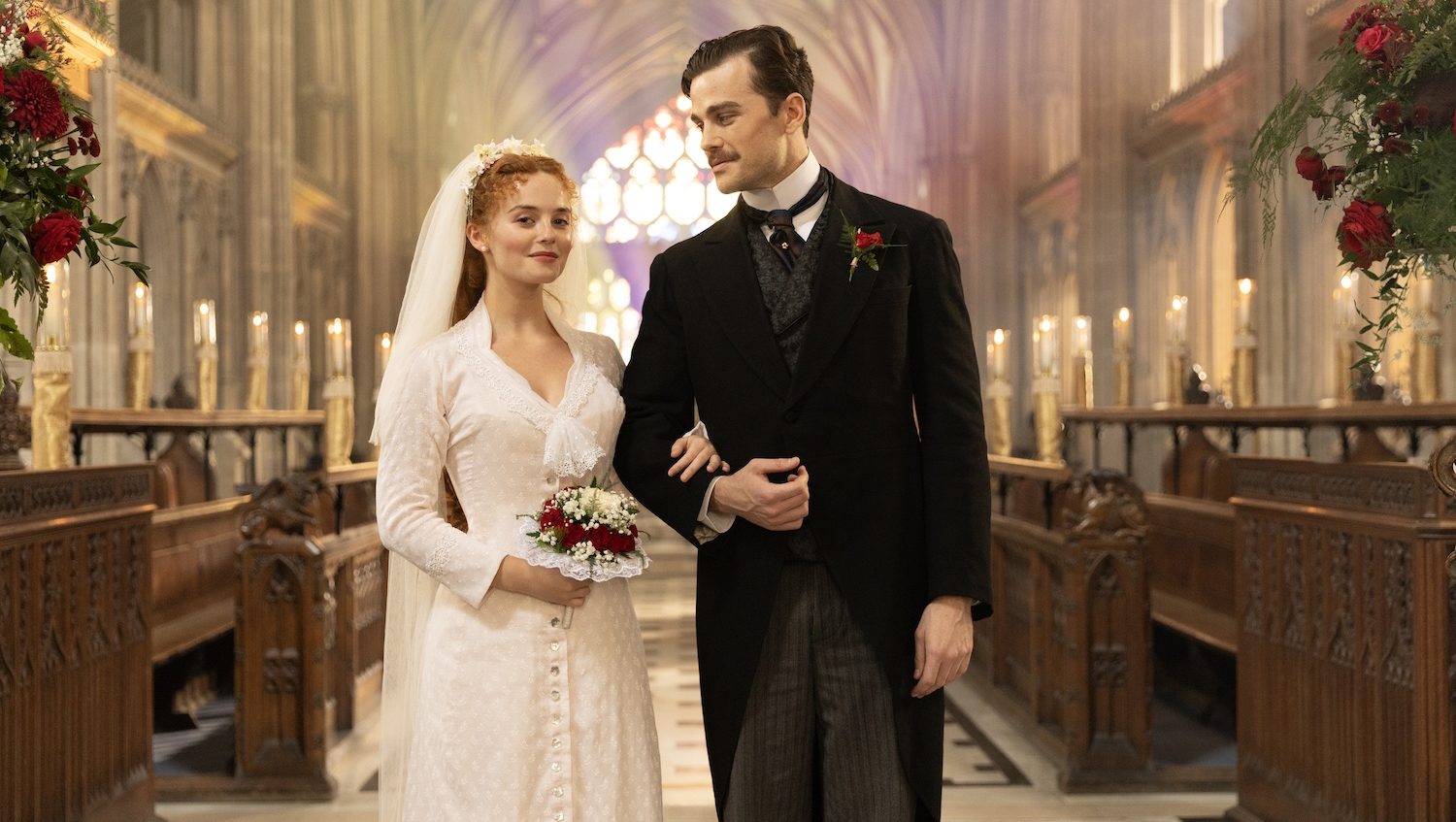
In recent years, ‘The Forsyte Saga’ has been revisited through various adaptations, including successful television series and theatrical productions. The most notable adaptation was the BBC miniseries aired in 2002, which introduced a new audience to Galsworthy’s complex characters and the ethical dilemmas they face. The enduring nature of this saga highlights how Galsworthy’s insights into personal and societal struggles resonate with contemporary audiences.
Significance and Conclusions
The Forsytes serve not only as a reflection of the class divisions and moral complexities of their time but also offer timeless lessons on love, loss, and the shifting landscape of human relationships. As we continue to navigate our own societal changes, Galsworthy’s work remains relevant, pushing us to examine our values and the effects of materialism on personal happiness. In a rapidly evolving world, the lessons from ‘The Forsyte Saga’ remain crucial, providing insights into the human condition that are as applicable today as they were a century ago.