Introduction
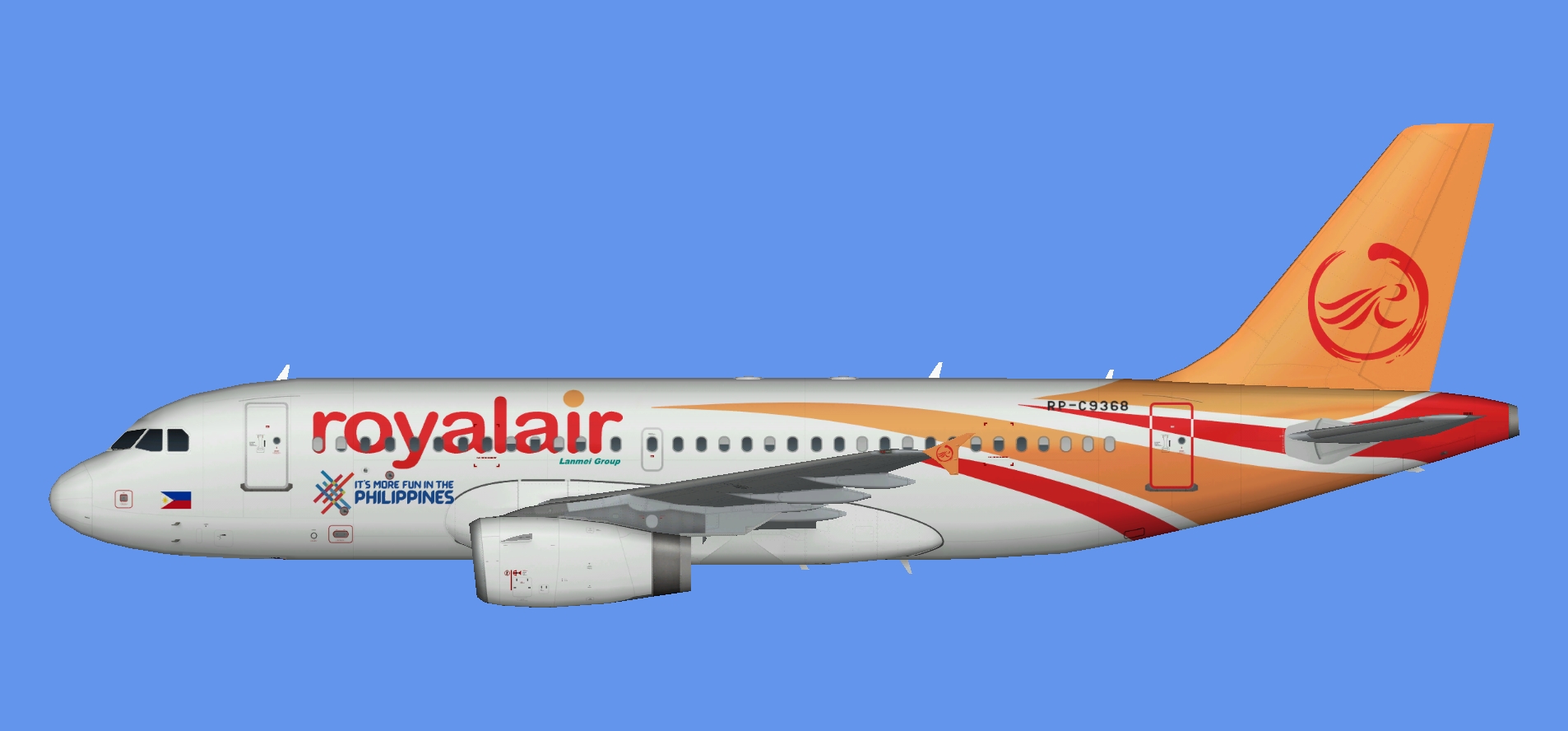
The recent announcement of Royal Air Philippines’ liquidation has raised significant concerns within the aviation sector. This event not only affects employees and stakeholders but also impacts travelers and the overall market dynamics. Given the turbulent state of the aviation industry in the wake of the COVID-19 pandemic, understanding the implications of this liquidation is crucial.
Details of the Liquidation
Royal Air Philippines, a carrier primarily serving domestic routes, filed for liquidation on October 15, 2023. The airline cited mounting debts as a primary reason for its decision, exacerbated by a prolonged period of reduced travel demand and increased operational costs. Reports indicate that the airline struggled to regain its market position following the global pandemic, which significantly reduced passenger traffic and revenues.
As part of the liquidation process, Royal Air Philippines has halted all flights and laid off a significant percentage of its workforce. The decision to liquidate comes after multiple attempts to restructure and secure financial backing, but ultimately the company was unable to find a sustainable path forward.
Impact on Employees and Travelers
The immediate impact of the airline’s liquidation is felt by its employees, many of whom are now facing uncertainty regarding their futures. Labour unions are pressing for a fair compensation process as workers navigate this unexpected crisis.
For travelers, the liquidation means disrupted travel plans and the need to seek alternatives. Passengers with existing bookings are encouraged to check their status and seek refunds or rebook options through travel agencies or credit card protections. As existing domestic travel options diminish, other Philippine carriers may see a surge in demand as travelers look for alternatives.
Market Repercussions
The liquidation of Royal Air Philippines may have broader repercussions for the Philippine aviation market. Analysts warn that the decrease in competition could lead to higher fare prices and fewer options for consumers. The aftermath may also attract the interest of other airlines looking to expand their market share as they assess opportunities presented by the gap left by Royal Air’s exit.
Conclusion
The liquidation of Royal Air Philippines marks the end of an era for the airline and serves as a stark reminder of the vulnerabilities faced by small carriers in the aftermath of significant global disruptions. As stakeholders come to grips with the implications of this decision, it remains critical for both customers and employees to remain informed about their rights and options. The event underscores the fragility of the aviation sector and prompts a reconsideration of sustainability practices within the industry moving forward.