Introduction
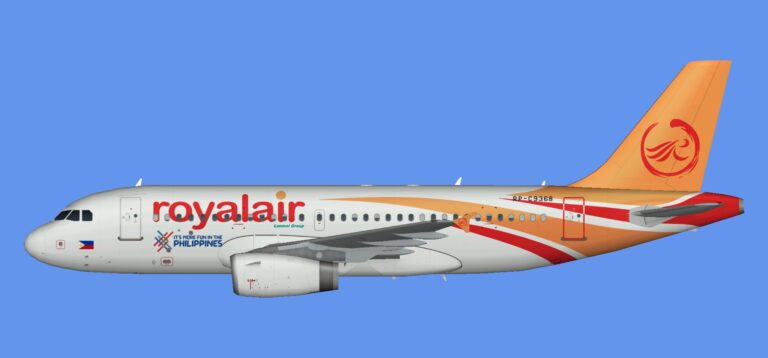
The recent announcement of Royal Air Philippines entering into liquidation marks a concerning development in the aviation sector, particularly for the domestic travel market. This decision has far-reaching implications, not only for the airline’s employees and passengers but also for the overall landscape of the Philippine airline industry.
Background and Reasons for Liquidation
Royal Air Philippines, a carrier that has been operating since 2013, has struggled to maintain profitability amid increasing competition and the economic impact of the COVID-19 pandemic. The airline had already been facing challenges in recent years, with operational hurdles and reduced flight schedules contributing to its financial instability. Despite efforts to revive operations and inject capital, the sustained financial losses have led to this unavoidable decision.
In October 2023, Royal Air Philippines officially filed for liquidation, seeking to settle debts and terminate operations. This decision came as a surprise to many in the industry, especially as the airline had resumed flights earlier in the year, leading passengers to believe that it was recovering.
Impact on Employees and Passengers
The liquidation process raises concerns for the approximately 300 employees of the airline, many of whom are now left uncertain about their job security and future prospects. The airline has stated that it will work with relevant agencies to provide assistance to its workforce during this transition period. Meanwhile, passengers who booked flights with Royal Air Philippines are encouraged to seek refunds or alternative travel arrangements, as the airline has ceased its operations entirely.
Industry Reactions and Future Outlook
The liquidation of Royal Air Philippines has prompted discussions among industry stakeholders about the health of the aviation sector in the Philippines. Experts suggest that the airline’s struggles highlight the need for improved regulatory frameworks and support mechanisms for airlines to enhance their resilience against external shocks.
Moreover, with Royal Air Philippines exiting the market, there may be opportunities for competitors to fill the void left by the airline. However, potential new entrants must also navigate the uncertain post-pandemic environment, including fluctuating fuel prices and evolving travel demand.
Conclusion
The liquidation of Royal Air Philippines serves as a stark reminder of the challenges faced by airlines worldwide. As the aviation sector continues to adapt and recover from the impacts of the pandemic, it remains crucial for both regulators and airlines to work together to strengthen the industry’s foundations. For those affected by this situation, the hope is for swift regulatory support to mitigate the fallout and eventually foster a robust, more resilient airline market in the Philippines.