Introduction
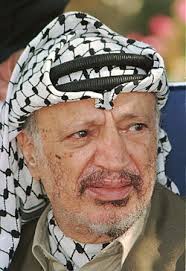
Yasser Arafat remains one of the most significant figures in Palestinian history, known for his leadership and his pivotal role in the quest for Palestinian statehood. His life, marked by controversy and passion, reflects the complexities of the Israeli-Palestinian conflict, which continues to resonate today. Understanding Arafat’s legacy provides insight into the ongoing struggles for peace and recognition in the region.
Background and Political Career
Born on August 24, 1929, in Cairo, Egypt, Arafat rose to prominence as the leader of the Palestine Liberation Organization (PLO) in 1969. Under his leadership, the PLO transitioned from a group focused on armed struggle to one seeking diplomatic recognition and statehood. Arafat’s efforts in the 1990s, particularly his pivotal role in the Oslo Accords, marked a significant turning point in the Israeli-Palestinian dialogue.
The Oslo Accords were a series of agreements between Israel and the PLO aimed at achieving a peace treaty, which included mutual recognition and the establishment of the Palestinian Authority. This achievement was a landmark moment in Arafat’s career, as he won the Nobel Peace Prize in 1994 alongside then-Israeli Prime Minister Yitzhak Rabin and Foreign Minister Shimon Peres.
The Controversial Figure
Despite his recognition as a noble statesman, Arafat was a polarizing figure, with critics arguing that he fostered a culture of violence and failed to deliver a lasting peace. His tenure was marked by challenges, including the Second Intifada and stagnant peace negotiations. Arafat’s leadership style, often seen as autocratic, faced criticism from both within and outside the Palestinian territories.
Legacy and Death
Arafat’s death on November 11, 2004, in Paris, raised questions about the future of the Palestinian cause and leadership. His passing left a power vacuum and deepened political divisions among Palestinian factions. However, his legacy endures as a symbol of resistance and the struggle for Palestinian self-determination.
Conclusion
Yasser Arafat’s impact on the Middle East and the Palestinian struggle remains significant, as his life encapsulates the ongoing quest for peace and unity in a region marked by conflict. As new leaders emerge and the political landscape evolves, Arafat’s story serves as a reminder of the complexities and challenges of achieving unity and recognition for the Palestinian people. His legacy continues to shape discussions around peace in the Middle East and will likely influence future dialogue as both Palestinians and Israelis seek a path forward.