Introduction
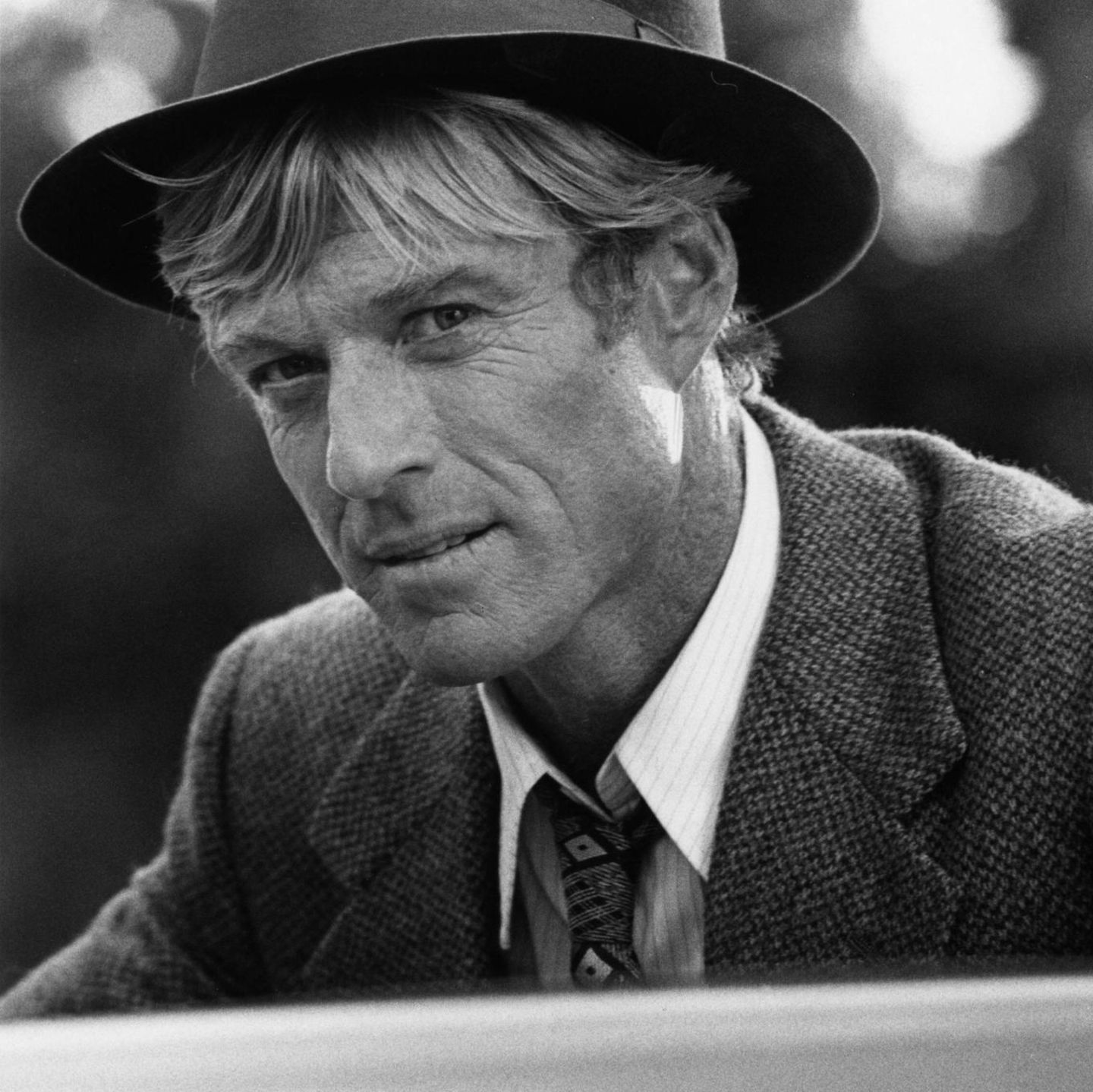
Robert Redford, an acclaimed American actor, director, and producer, has left an indelible mark on the film industry over the past six decades. Renowned for his dashing looks and charismatic performances, Redford’s contributions go beyond acting. He is also a passionate advocate for environmental causes and a pioneer in independent filmmaking. As Hollywood faces ongoing transformations, Redford’s legacy highlights both the art of storytelling and activism, making his story relevant today.
Career Milestones and Acclaim
Born on August 18, 1936, in Santa Monica, California, Redford began his career in the 1960s with guest roles in television series like ‘The Twilight Zone’ and ‘Perry Mason’. His breakthrough role came in the 1969 film ‘Butch Cassidy and the Sundance Kid’, in which he starred alongside Paul Newman. The film was a major box office success, establishing Redford as a leading man in Hollywood.
Throughout the 1970s and 1980s, Redford showcased his versatility in films such as ‘The Sting’, ‘All the President’s Men’, and ‘Ordinary People’, the latter of which he directed and won an Academy Award for Best Director. His ability to choose and create compelling narratives has set him apart in an industry often dominated by commercially driven projects.
Advocacy and Environmental Efforts
In addition to his film career, Redford is a committed environmental activist. He founded the Sundance Institute in 1981, which supports independent filmmakers and promotes projects with a focus on environmental sustainability. The annual Sundance Film Festival has become a prominent platform for these filmmakers, highlighting storytelling that often goes unheard in mainstream cinema.
Redford’s advocacy reaches further, as he has spoken out on climate change and environmental conservation issues. His deep understanding of the interconnectedness of art and activism is a testament to his belief that storytelling can drive change.
Recent Developments
After more than half a century in film, Redford announced his retirement from acting in 2019, having last featured in the film ‘The Old Man & the Gun’. However, his influence remains paramount in discussions about the evolution of cinema and the importance of independent storytelling. In 2023, he was confirmed to receive a lifetime achievement award, recognising not only his artistic contributions but also his commitment to social and environmental causes.
Conclusion
Robert Redford’s legacy is multifaceted; his performances inspired generations while his commitment to independent filmmaking set the stage for a new era in storytelling. As the film industry continues to evolve, Redford’s influence on both cinema and activism remains relevant. His story serves as a reminder of the power of art to reflect reality and galvanise change, encouraging new generations of filmmakers and activists alike.