Introduction
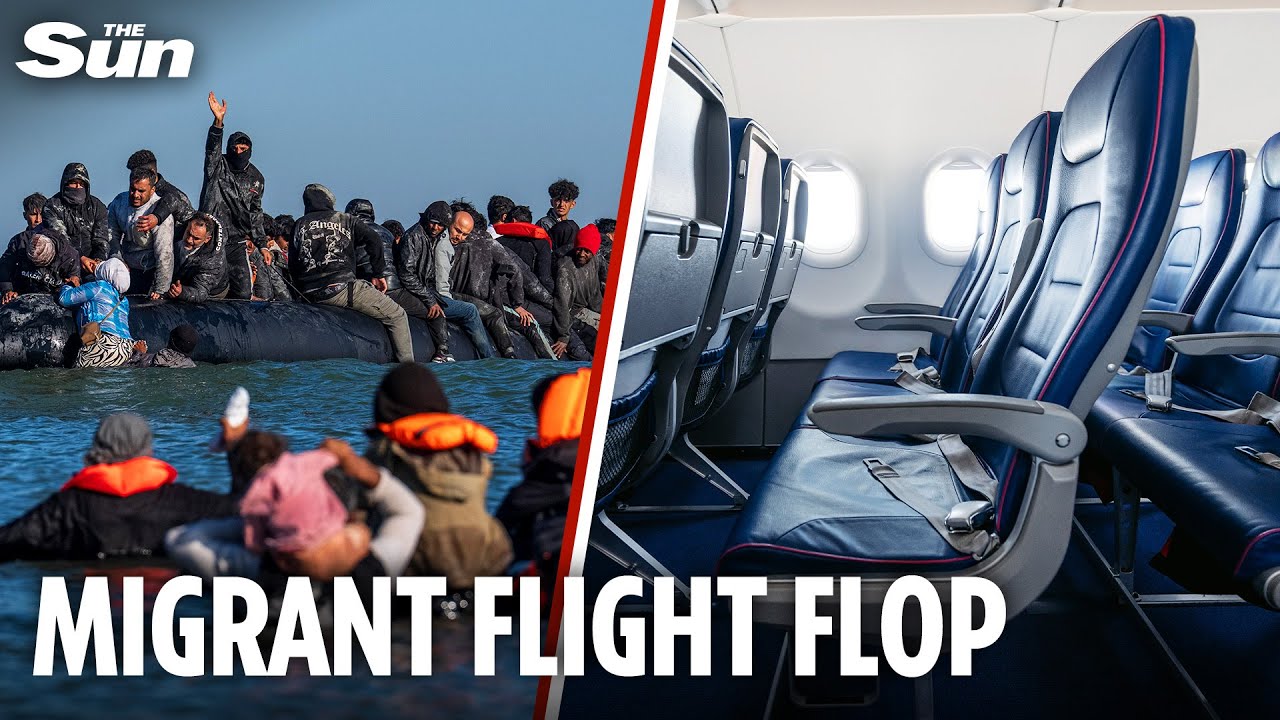
The cancellation of migrant flights has become an urgent topic in recent weeks, highlighting the issues surrounding immigration policies and their impacts on individuals seeking refuge. With many countries reviewing their immigration regulations, the repercussions of such cancellations are significant not only for those affected but also for broader humanitarian efforts and international relations.
Recent Events
In late October 2023, reports emerged of multiple migrant flights being cancelled across Europe, particularly affecting asylum seekers from regions facing instability. The UK government announced the suspension of flights intended for deportation, citing operational concerns and legal challenges stemming from recent court rulings. This move follows a series of protests and increasing public scrutiny regarding the treatment of migrants and the effectiveness of current immigration practices.
According to the Home Office, the cancellation was prompted by a backlog of legal appeals filed by migrants contesting their deportation orders. Many of these individuals assert that returning them to their countries of origin could pose safety risks, as they may face persecution or violence. Reports indicate that several scheduled flights to countries such as Rwanda and Afghanistan were scrapped, raising uncertainty among migrant communities.
Public and Political Reactions
The cancellations have incited strong reactions from human rights advocates and political commentators. Campaign groups, including Refugee Action and the British Red Cross, have described the flight cancellations as a necessary step toward ensuring that vulnerable individuals are not forcibly returned to danger. On the other hand, critics of the government’s immigration policy argue that it indicates a lack of commitment to tackling migration issues effectively.
In Parliament, discussions surrounding migrant flights have intensified, with various political figures calling for a revamp of the existing system. Home Secretary Suella Braverman has reaffirmed the government’s commitment to a robust immigration policy but faces growing pressure to clarify the future of deportation flights.
Conclusion and Significance
The recent wave of cancelled migrant flights is indicative of the ongoing challenges faced in balancing humanitarian obligations with immigration control. As countries navigate these complex issues, the immediate future for many migrants remains uncertain. Advocates are urging governments to seek alternatives that respect human rights while addressing immigration concerns. As public opinion continues to evolve, it will be essential to monitor how these policies adapt in response to the needs of both migrants and host countries.