Introduction
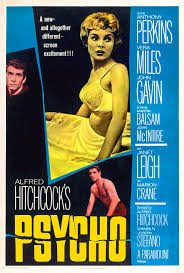
Alfred Hitchcock’s ‘Psycho’, released in 1960, is widely regarded as one of the most significant films in cinema history. As a trailblazer in the horror genre, it continues to shape modern filmmaking and the portrayal of suspense and psychological depth in film. Its relevance endures, with current filmmakers drawing inspiration from Hitchcock’s innovative techniques and storytelling.
The Plot and Its Impact
‘Psycho’ tells the chilling story of Marion Crane, a woman who makes a fateful stop at the secluded Bates Motel, run by the seemingly amiable but deeply troubled Norman Bates. The narrative masterfully intertwines themes of dual identity, obsession, and the blurred lines between sanity and madness. The film’s infamous shower scene, featuring striking visuals and a haunting score, has become iconic, influencing countless movies, parodies, and analyses in the decades since its release.
Innovative Techniques
Hitchcock employed revolutionary techniques in ‘Psycho’ that were ahead of their time. He famously used non-linear storytelling to build suspense, with the shocking mid-film death of the leading lady serving as a pivotal plot twist that subverted audience expectations. Furthermore, the film’s use of lighting, set design, and a chilling music score by Bernard Herrmann created an atmosphere of dread and tension that remains unparalleled.
Cultural and Critical Reception
Upon its release, ‘Psycho’ was met with a mixed critical response yet quickly gained popularity, becoming a box office success. Over time, it was re-evaluated and has since received widespread acclaim. In 1992, the film was even deemed “culturally, historically, or aesthetically significant” by the United States Library of Congress and added to the National Film Registry. Academic analyses continue to explore its themes and cinematic techniques, reflecting its profound impact on film and society.
Conclusion
Alfred Hitchcock’s ‘Psycho’ transcends its time as a horror film to become a critical study of human psyche and morality. Its legacy is evident in the genres it redefined and the filmmakers it inspired. As audiences continue to engage with its themes, ‘Psycho’ will remain a cornerstone of cinema, inviting new interpretations and discussions about fear, identity, and the nature of evil. As we look forward, its influence will undoubtedly persist in shaping the future of storytelling in film.