Introduction
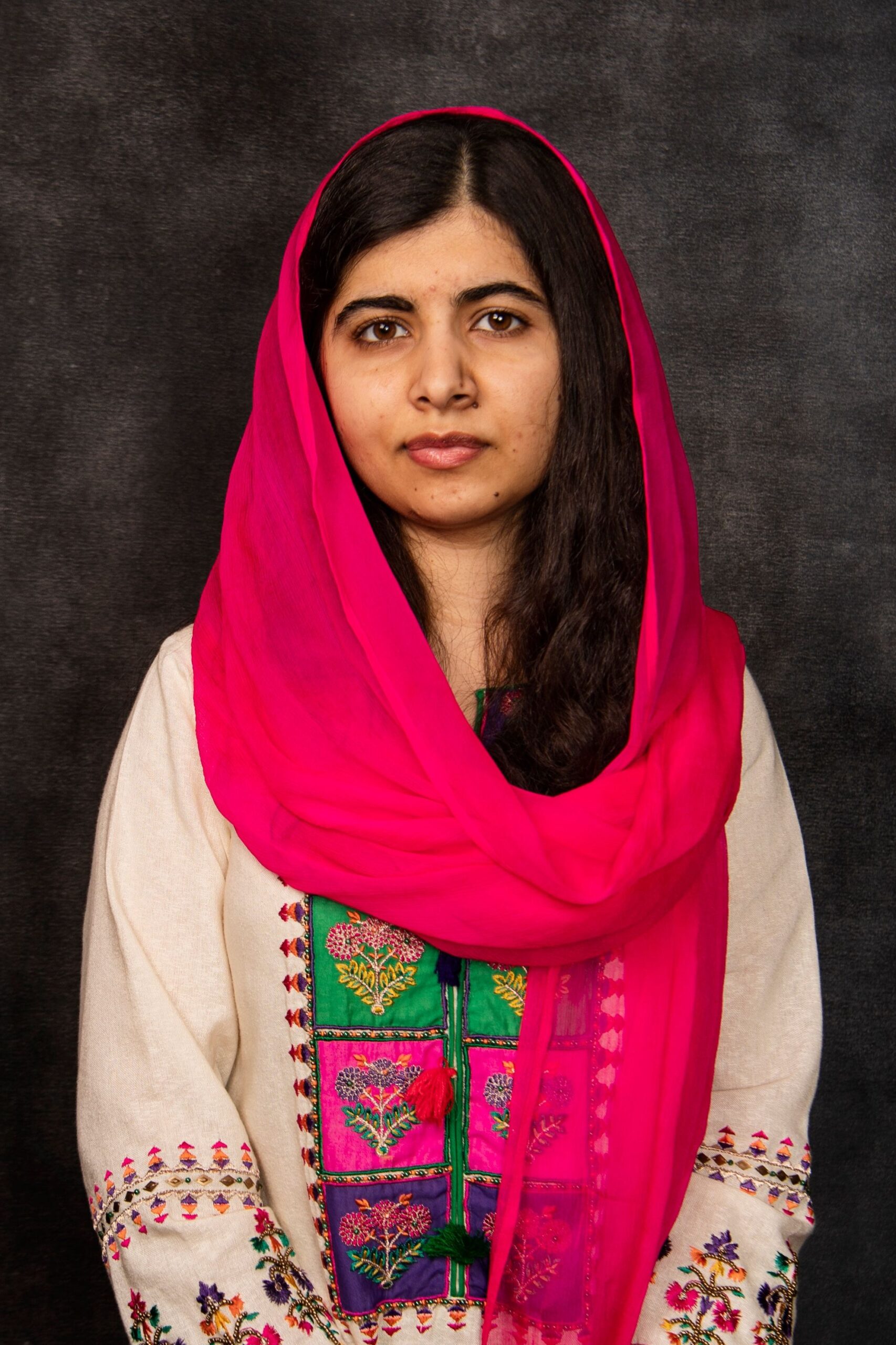
Malala Yousafzai, a name synonymous with bravery and the fight for education, stands as a symbol of resilience and empowerment. Her journey began in Pakistan, where she defied the Taliban’s oppressive regime to advocate for girls’ education. As inequalities persist worldwide, Malala’s voice remains crucial in the ongoing struggle for equal access to education.
Malala’s Early Life and Activism
Born on July 12, 1997, in Mingora, Pakistan, Malala was inspired by her father, Ziauddin Yousafzai, who was an educator himself. At a young age, she began blogging for the BBC Urdu under a pseudonym, sharing her experiences and the dire situation regarding education for girls in her region. Her poignant words attracted global attention, positioning her as a formidable advocate for educational rights.
However, her activism came at an enormous cost. In 2012, Malala was shot in the head by a Taliban gunman while riding a bus home from school. The attack sparked international outrage, and after extensive medical treatment in the UK, she not only survived but continued her fight for girls’ education.
Global Impact and Recognition
Since her recovery, Malala has co-founded the Malala Fund, a non-profit organisation dedicated to ensuring that girls worldwide receive 12 years of free, quality education. Her influential work has earned her numerous accolades, including the Nobel Peace Prize in 2014, making her the youngest-ever recipient of the award.
Through her Global Action Summit and various speaking engagements, Malala highlights critical issues affecting girls’ education, such as poverty, conflict, and systemic discrimination. Her efforts have inspired countless individuals and organisations to advocate for educational reforms and greater investment in girls’ schooling.
Recent Initiatives
In 2023, Malala continued her advocacy by collaborating with global leaders to address post-pandemic education recovery efforts. Her focus has primarily been on ensuring educational continuity for girls who faced increased challenges during school closures.
Additionally, Malala has ventured into various media platforms, including a recent Netflix documentary titled “Malala: A Girl Who Stood Up For Education”, which delves into her life story and the ongoing struggle for educational equality around the world.
Conclusion
Malala Yousafzai’s journey from a young activist to a global icon illustrates the profound impact one individual can have on billions. As she continues to champion the cause of education, her story serves as a beacon of hope and a clarion call for change. For readers, Malala’s narrative underscores the significance of education as a fundamental right and a cornerstone for a better future. Her future initiatives suggest that this battle is far from over, reminding us all of our responsibility to advocate for equal access to learning for every girl and boy.