Introduction: The Heart of British Sports
Wembley Stadium, often referred to as the ‘Home of Football’, is an iconic venue located in London, England. Established in 1923, it has become synonymous with major sporting events, particularly football. The stadium’s significance goes beyond just sports; it serves as a cultural landmark, hosting concerts, ceremonies, and various entertainment events. As the UK has witnessed a resurgence in live events post-pandemic, Wembley Stadium’s role remains pivotal in shaping the country’s sporting and cultural landscape.
Historical Significance
The original Wembley Stadium was opened in 1923 and became famous for hosting the FA Cup Final and numerous other football matches, earning its nickname as the ‘Empire Stadium’. In 2007, a new structure was completed, featuring the iconic arch that dominates the London skyline. The new Wembley has been designed to accommodate over 90,000 spectators, making it the largest stadium in the UK and the second-largest in Europe.
Recent Events and Future Developments
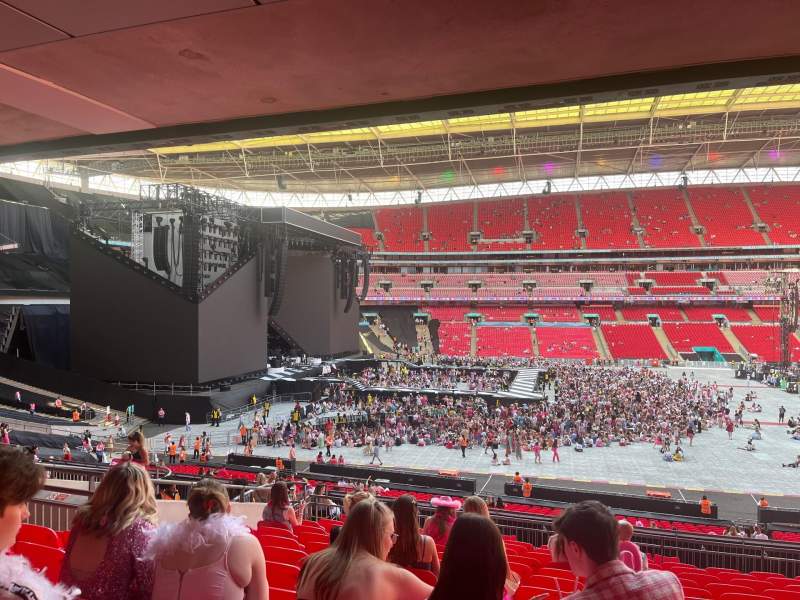
In recent months, Wembley Stadium has hosted various high-profile events, including the UEFA Euro 2020 finals, which saw Italy triumph over England. Additionally, it continues to be a venue for major concerts, such as performances by artists like Ed Sheeran and Beyoncé. Looking ahead, Wembley is set to host the UEFA Champions League final in 2024, presenting an exciting opportunity to showcase the stadium’s capabilities on an international stage.
Impact on London and Beyond
The stadium contributes significantly to the local economy, drawing millions of visitors each year. It promotes tourism in London, providing job opportunities for local residents and supporting surrounding businesses. Furthermore, Wembley Stadium’s facilities have made it a versatile venue, enhancing its attractiveness for non-sporting events, such as corporate gatherings and exhibitions.
Conclusion: The Future of Wembley Stadium
As we move forward, Wembley Stadium remains a cornerstone of Britain’s rich sporting heritage and a beacon for future generations. With ongoing investments and a commitment to sustainability, it aims to enhance its legacy as a world-class venue. The significance of Wembley Stadium extends beyond mere bricks and mortar; it embodies the spirit of British sports and culture, making it essential for both current and future interactions in the sporting world.