Introduction
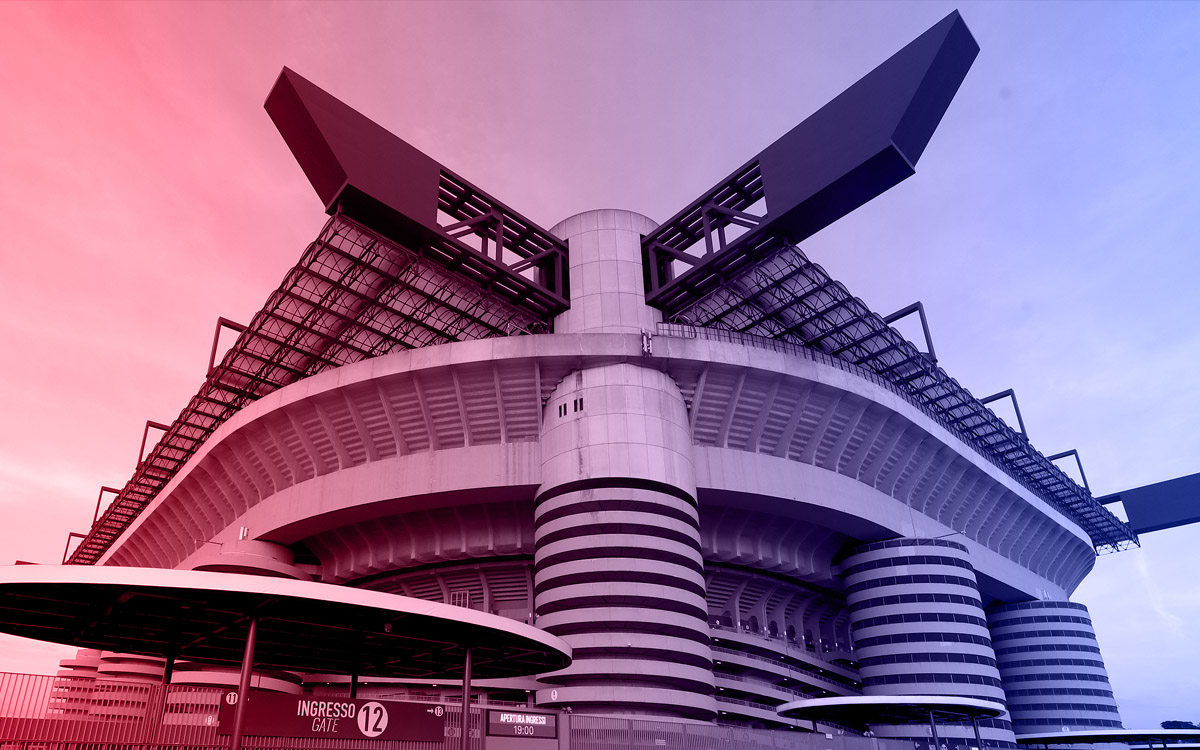
San Siro Stadium, officially known as Stadio Giuseppe Meazza, stands as one of the most iconic football stadiums in the world. Located in Milan, Italy, it serves as the home for two prestigious football clubs, AC Milan and Inter Milan. The importance of the San Siro extends beyond just being a sports venue; it is a cultural symbol for the city and its inhabitants, playing host to countless memorable moments in football history and various grand events. As both clubs approach significant milestones, the future of the stadium remains a topic of vigorous debate among fans and city planners alike.
A Glance at the History
Opened in 1926, San Siro was originally designed to host local matches and has since undergone several renovations to increase its capacity and modernise its facilities. With a current capacity of approximately 75,000 spectators, it has one of the highest attendances in Europe, often leading to electrifying atmospheres during matches.
Over the decades, San Siro has hosted numerous prestigious events including UEFA Champions League finals and international matches. Its rich history is decorated with the footprints of legendary players such as Paolo Maldini, Giuseppe Meazza, and Ronaldo, leaving an indelible mark on the fabric of the game.
Recent Developments
In recent years, discussions about the future of San Siro have heightened as AC Milan and Inter Milan contemplate building a new stadium. While some fans are in favour of a modern structure that meets contemporary standards, others are staunch defenders of the historic site. As part of Milan’s broader urban development plan, the city government is exploring options to preserve the essence of San Siro while adapting to changing times.
The debate gained momentum after the clubs announced plans for a new stadium that would offer a more intimate experience for fans and incorporate advanced technology for safety and comfort. However, a large segment of the fanbase remains emotionally attached to San Siro, considering it a sacred space that holds personal and collective memories.
Conclusion
As the conversation around the future of San Siro unfolds, it is essential for both clubs and fans to weigh the historical significance of this beloved stadium against the need for modernisation and improved facilities. The ongoing discussions towards its potential redevelopment could act as a litmus test for how cities balance heritage with innovation. Moving forward, the decisions made regarding the stadium may not only impact the football clubs but also define the cultural landscape of Milan for generations to come.