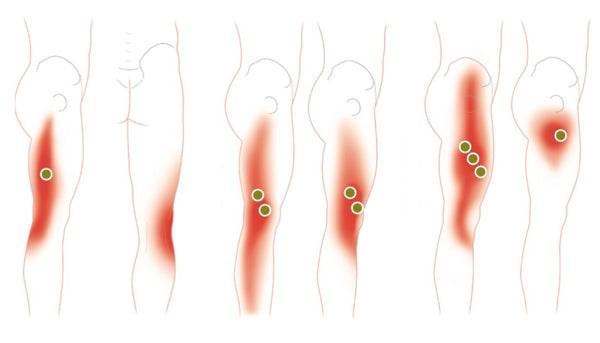
Introduction
Trigger points are an important yet often overlooked aspect of musculoskeletal health. These hyperirritable spots within skeletal muscle can lead to referred pain and discomfort, affecting a wide range of individuals from athletes to office workers. Understanding trigger points is crucial for effective pain management and overall well-being.
What Are Trigger Points?
Trigger points are small, tight knots that can occur in muscles, often associated with muscle overuse or stress. They can cause pain not just at the site of the knot, but can also lead to referred pain in other areas of the body. For example, a trigger point in the shoulder may cause pain in the neck or head, often contributing to tension headaches. Trigger points can also restrict movement and contribute to muscle weakness, which highlights their significance in both rehabilitation and daily functioning.
Current Understanding and Research
Recent studies have indicated that trigger points may be linked to several conditions, including fibromyalgia, myofascial pain syndrome, and other chronic pain disorders. Research from the University of Queensland has shown that targeted therapies, such as dry needling and massage, can release these knots and alleviate pain, thereby improving function. A 2023 review in the Journal of Musculoskeletal Pain found that approximately 70% of chronic pain patients reported the presence of trigger points, emphasizing the need for healthcare providers to consider them as part of comprehensive pain management.
Treatment Options
There are several effective treatments available for managing trigger points. Manual therapies, such as massage and myofascial release, are commonly employed to alleviate muscle tension and stimulate blood flow. Physical therapy often incorporates exercises designed to stretch and strengthen affected muscles, reducing the likelihood of future trigger points. Acupuncture and dry needling have also gained popularity as effective methods for releasing trigger points, targeting the knots directly to promote healing.
Conclusion
In conclusion, understanding and addressing trigger points is essential for managing musculoskeletal pain and improving the quality of life for many individuals. As more research continues to unveil the breadth of their impact, integrating trigger point therapy into treatments can lead to significantly better outcomes. For readers experiencing persistent muscle pain, consulting a healthcare professional for an assessment of trigger points may provide the key to relief and improved muscle health.