Introduction
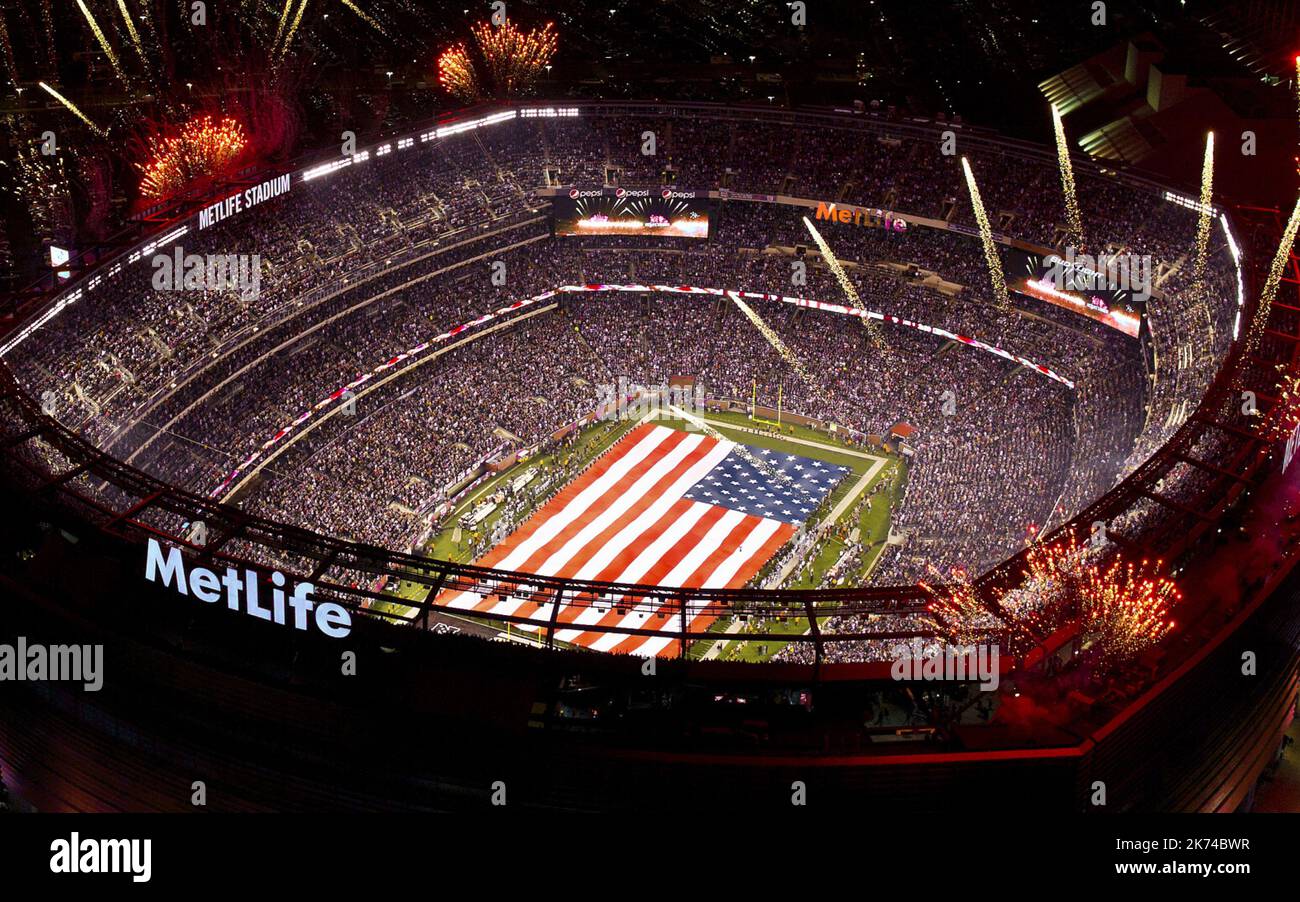
The Super Bowl stadium is a focal point of American football culture, hosting one of the biggest sporting events in the world each year. As the championship game of the National Football League (NFL), the Super Bowl draws millions of viewers and generates substantial economic activity for the host city. In 2023, Super Bowl LVII was held at State Farm Stadium in Glendale, Arizona, further emphasizing the importance of these venues in uniting fans and creating unforgettable experiences.
State Farm Stadium: A Modern Marvel
State Farm Stadium, which opened in 2006, is notable for its capacity to accommodate over 63,000 fans and expandable to 72,200 for special events like the Super Bowl. The stadium is renowned for its innovative design, including a retractable roof and a roll-out natural grass playing field, a first in the NFL. It has hosted multiple significant events, including the 2008 and 2015 Super Bowls, and continues to be a symbol of modern sports architecture.
The Economic Impact of Super Bowl Events
Hosting the Super Bowl significantly boosts the local economy. In 2023, Glendale expected to welcome around 1 million visitors, with an estimated economic impact of over $500 million. Local businesses, from hotels to restaurants, see increased revenues during the Super Bowl weekend. Furthermore, cities must invest heavily in infrastructure and security, making the selection of a Super Bowl stadium an important consideration for NFL executives.
Future of Super Bowl Stadiums
As the demand for premium sports experiences grows, future Super Bowl stadiums are anticipated to include cutting-edge technology and increased fan engagement platforms. The NFL is actively exploring newer stadiums that not only enhance the game-day experience but also promote sustainability and community engagement. Sporting venues will increasingly integrate advanced features such as high-speed wi-fi, interactive zones, and more comfortable seating to attract fans back into the stadiums.
Conclusion
The Super Bowl stadium stands as more than just a venue for football; it is a significant cultural icon that represents the fusion of sports, entertainment, and community spirit. As we advance, the evolution of these stadiums will play a crucial role in shaping the future of the NFL and enhancing fan experience. Whether watching from home or in the stands, the Super Bowl remains an unmissable event on the global sports calendar.